
Officers 2026–2027
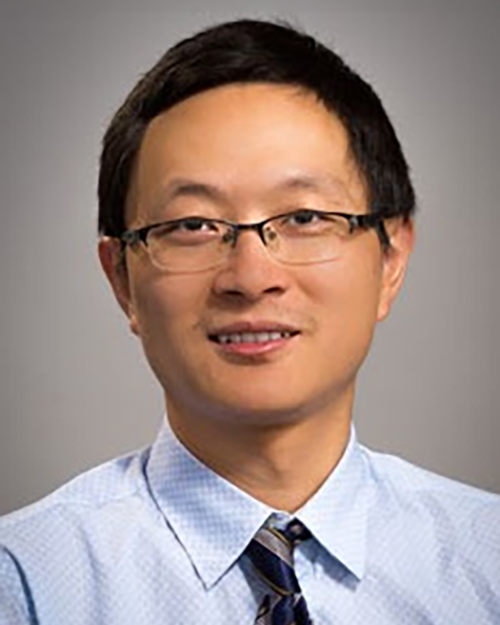
Xiang Xue, PhD
President
Dr. Xiang Xue is an Associate Professor in the Department of Biochemistry and Molecular Biology at the University of New Mexico (UNM). He has been a member of the SOT and AACT since 2022 and has served the SOT in the following capacities: AACT award committee member, TOXMSDT E-Learning Module Development Team member and mentor. Dr. Xue had also given a “Tiny Tox Talk: A Peek at Faculty Position Interview” at the 2023 SOT Annual meeting. His research focuses on elucidating the mechanisms whereby environmental toxic exposures including metals and microplastics impact intestinal inflammation and colorectal cancer with major funding support from NIH. He has served as an ad hoc grant reviewer many times for domestic agencies including NIH, NSF and DOD, and different European agencies. He has published over 70 papers in journals including Nature Metabolism, Cell Metabolism, Gastroenterology, Autophagy, Advanced Science, Cell Death and Differentiation, Cancer Research, Toxicological Sciences and Toxicology Applied Pharmacology. Dr. Xue’s scientific training began as a graduate student and a pharmaceutical toxicologist investigating Traditional Chinese Medicine-associated nephrotoxicity at Shanghai Institute of Materia Medica, Chinese Academy of Sciences. His education background in clinical, translational, and basic sciences has shaped his current research efforts focusing on disease treatment, prevention and elucidating the molecular mechanisms. His team is spearheading these efforts to explore basic science molecular mechanisms that has clinical and community relevance. Thus, his lab at UNM has provided equal training opportunities for over 30 trainees and scientists over the past 6 years. Finally, his leadership role as the Principal of the New Mexico Chinese School of Arts & Language since 2023 also showcases his dedication to the Chinese community and education.
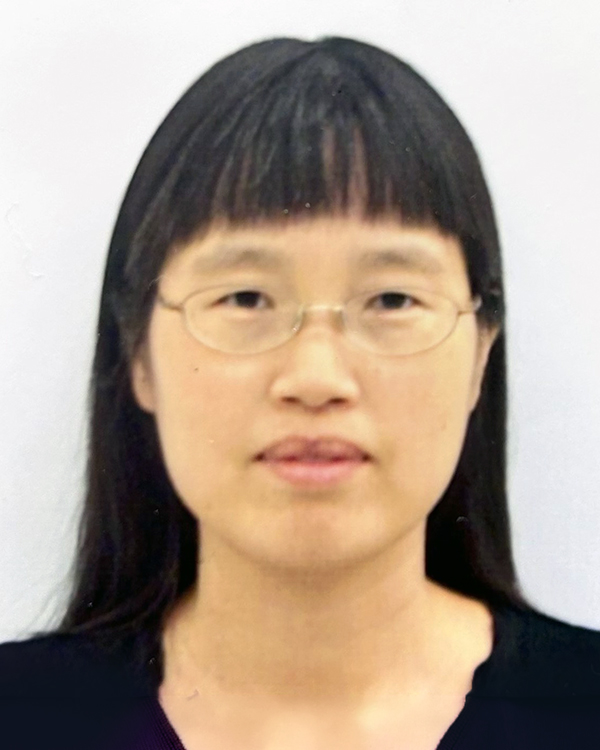
Xinrong Chen, PhD
President-Elect
Dr. Xinrong Chen is a toxicologist and founder of ABC Tox. She has over 20 years of toxicology experience spanning the US federal government (FDA, CPSC), academia, global industry, and consulting. Dr. Chen served as a US government expert toxicologist representative for the Organisation for Economic Co-operation and Development (OECD) guideline development. She is well versed in GLP, ICH, OECD, FDA, EMA, EPA, EFSA, and ECHA regulatory frameworks and compliance requirements. Dr. Chen advises pharmaceutical and biotechnology companies on toxicology gap analyses—including carcinogenicity, reproductive and developmental toxicity, drug combinations, prodrugs, and metabolites—GLP study design, data interpretation, and support for IND/NDA/BLA submissions and safety-driven pipeline strategies. She also delivers comprehensive risk assessment reports for the chemical industry, environmental evaluations, and occupational safety assessments. In addition, Dr. Chen collaborates closely with CROs on toxicology strategy development, quotation, study conduct, data analysis, and final report generation and amendment.
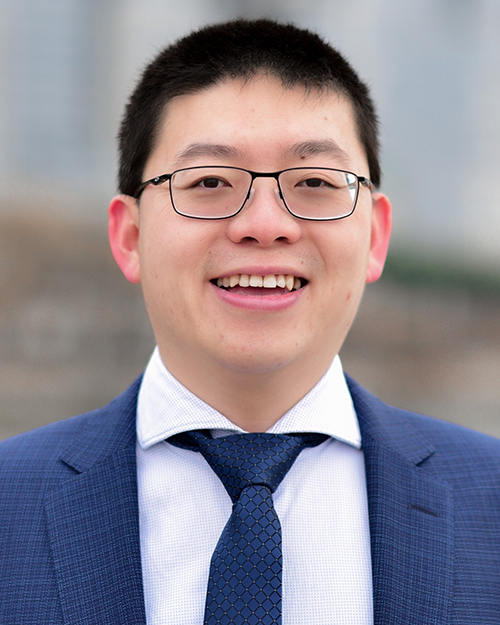
Feng Gao, PhD
Secretary
Dr. Feng Gao is an Assistant Professor in the Department of Environmental Health Sciences and Department of Molecular and Medical Pharmacology at University of California, Los Angeles (UCLA). He obtained his dual PhD degree in Crop and Soil Science-Environmental Toxicology and Computational Science from Michigan State University in 2019. Before he joined UCLA, he was a postdoctoral research scientist at Columbia University Department of Environmental Health Sciences. Dr. Gao’s research focuses on leveraging novel computational methodologies to study the exposure effects on human health. His current research includes: 1) leveraging multi-omics data to study exposure effects on aging, reveal aging dynamics, and develop novel aging clocks; 2) developing novel exposure assessment models for emerging contaminants including VOCs and PFAS; 3) computational toxicology with multi-omics data. Dr. Gao has been a member of SOT since 2023 and actively contributing to both the environmental health/toxicology community as well as machine learning/deep learning community. He has published more than twenty peer-reviewed papers and served as a reviewer for more than fifteen journals and machine learning conferences.
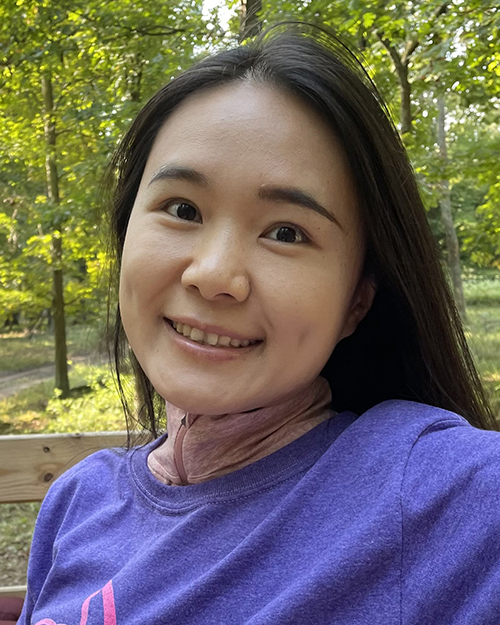
Chao Ji, PhD
Treasurer
Dr. Chao Ji is a staff scientist at US Agency for Toxic Substances and Disease Registry (ATSDR), Centers for Disease Control and Prevention (CDC). At CDC, she applies and develops in silico tools to support public health decisions on environmental health and chemical risk assessments. Her work includes analyzing toxicity data using benchmark dose modeling and providing clear, actionable interpretations and conclusions for the ATSDR Minimal Risk Levels workgroup and the Botanical Safety Consortium. Additionally, she has developed several machine learning and deep learning models for toxicity prediction, contributing to projects such as the collaborative modeling of acute inhalational toxicity by the National Toxicology Program (NTP)’s Interagency Center for the Evaluation of Alternative Toxicological Methods (NICEATM) and the Tox24 Challenge for predicting in vitro activity against transthyretin. She has been recognized for her outstanding contributions to CDC with several accolades, including being named Employee of the Month at the CDC and receiving the Going Extra Mile Award from NCEH/ATSDR for her exceptional leadership in computer modeling efforts. Prior to CDC, she earned her PhD from the University of Miami, followed by postdoctoral training in public health at Indiana University Bloomington. She has been a member of the Society of Toxicology (SOT) since 2020 and has received multiple prestigious awards from SOT, including the Computational Toxicology Yves Alarie Diversity Award in 2023, the John Doull Risk Assessment Endowment Award, and the AACT InnoStar Best Award in 2022. Dr. Ji has published 14 peer-reviewed articles. Chao has also served as a professional mentor for Braven, an organization supporting first-generation college students, where she provides career guidance. Her expertise, experience mentoring students and collaborating with professionals will offer valuable insights for the AACT. Through her career, she has been empowered by many toxicologists in SOT. She looks forward to giving back by contributing to the AACT community and providing future scientists with the necessary support for their career development.
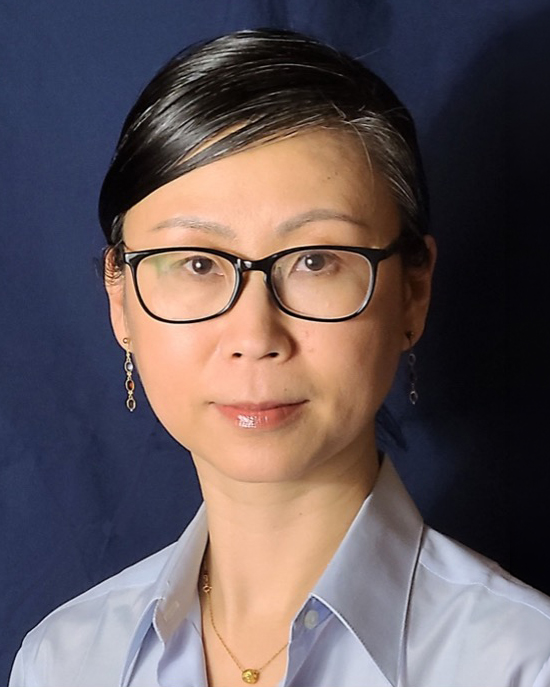
Xuefei Cao, PhD
Immediate Past President
Dr. Xuefei Cao is a non-clinical Principal Scientist at Altria Client Services (ALCS). Before joining ALCS, Dr. Cao was a Research Pharmacologist in the Division of Genetic and Molecular Toxicology at the National Center for Toxicological Research (NCTR) US FDA. After graduating from College of Life Sciences with a bachelor’s degree at Nankai University P.R. China in 1999, she continued her education in biological sciences and received her master’s degree in Biochemistry from University of Cincinnati in 2001 and her PhD in Pharmacology and Pharmaceutical Sciences from University of Southern California (USC) in 2005. Dr. Cao extended her training on pharmacology and conducted her postdoctoral research on small molecule anti-cancer drug discovery at USC between 2006 and 2009. In 2009, she was accepted into the FDA Commissioner’s Fellowship as a Commissioner’s Fellow and received training on FDA regulations and conducted research to explore integrative ways to quantitatively assess genotoxicity dose-response relationships for pharmaceutical impurities of the FDA’s concern. Upon completion of her fellowship in 2011, Dr. Cao was retained as a Staff Fellow and later transitioned to the role of Research Pharmacologist in 2015. During her tenure at NCTR, Dr Cao’s research primarily focused on developing innovative in vitro approaches for regulatory assessment of airborne substances, including tobacco smoke, inhalable chemicals, and respiratory pathogens. Through collaborations with FDA Product Centers and the National Institute of Environmental Health Science National Toxicology Program, Dr. Cao led her team and systematically evaluated the regulatory applications of these in vitro approaches. Her projects included the development of an in vitro respiratory test platform, assessment of respiratory toxicity from tobacco smoke and its constituents, as well as aerosols/vapors of active ingredients generated from FDA-regulated products, and evaluation of inter-individual variability in primary cell-based in vitro systems. In November 2022, Dr. Cao joined ALCS as a Principal Scientist II, where she continued her research on in vitro mechanistic assessment of next-generation tobacco products, contributing to tobacco harm reduction efforts. Dr. Cao has published 40 peer-reviewed research articles in leading toxicology journals and contributed to 4 book chapters. She is an active member of the Society of Toxicology (SOT) and the American Society for Cellular and Computational Toxicology (ASCCT). During her time at NCTR, she co-chaired the Exposure Subgroup and participated in the In Vitro-to-In Vivo Extrapolation Subgroup of the ILSI/HESI Genetic Toxicology Technical Committee. Additionally, she represented the US FDA in the OECD Expert Group on Skin/Eye Irritation & Phototoxicity from 2021 to 2022. In 2019, Dr. Cao served on the Award Nomination Committee at the American Association of Chinese in Toxicology (AACT).
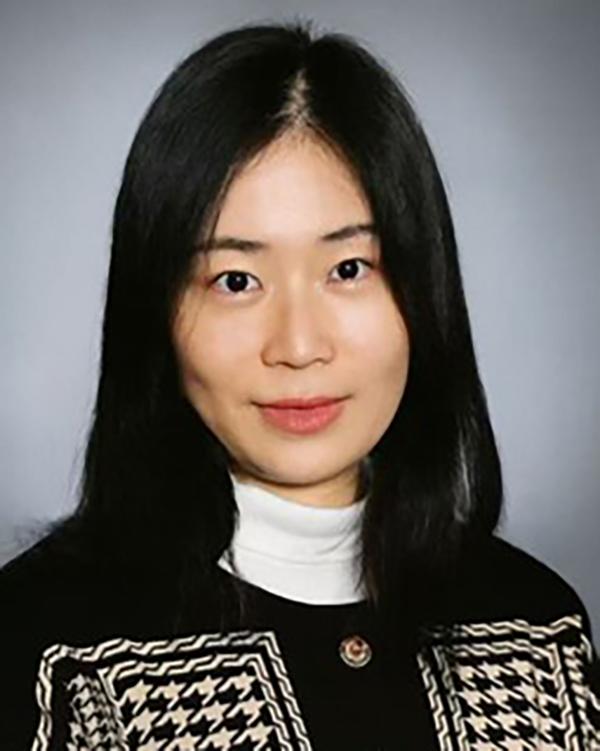
Yunqi An, PhD
Councilor
Dr. Yunqi An is a Toxicologist at Victoria’s Secret Co., specializing in risk assessment, regulatory toxicology, and non-animal safety assessment strategies for global product compliance. She earned her PhD in Toxicology from Rutgers University and has authored multiple peer-reviewed publications in molecular toxicology and pharmacology. She has been an active member of SOT and AACT since 2018, previously serving as an AACT Student Representative and receiving the AACT Jean Lu Student Scholarship Award. Dr. An continues to contribute to the AACT community through award reviews, mentorship, and career development workshops.
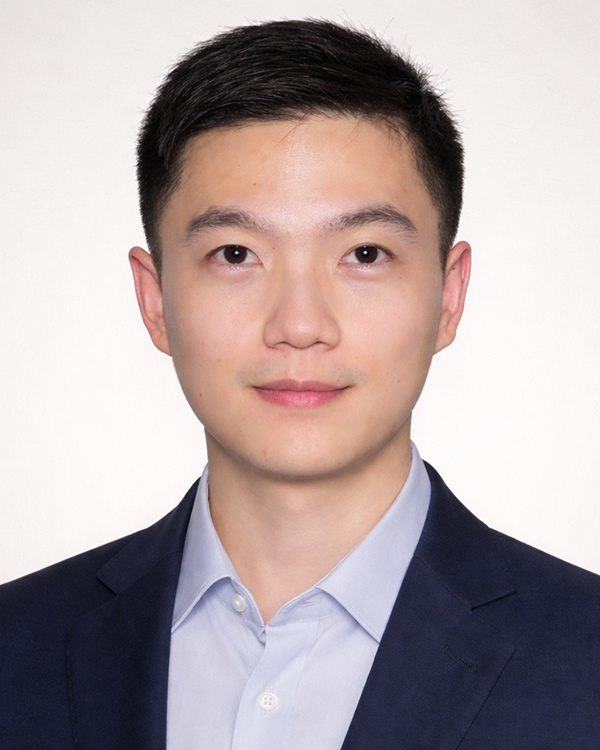
Yizhong Liu, PhD
Councilor
Dr. Yizhong Liu is a Senior Toxicologist at Johnson & Johnson MedTech with professional experience spanning industry, government, and academia. His work focuses on toxicology, biocompatibility, regulatory risk assessment, and advanced in vitro non-animal models for medical devices and combination products. He is an active member of the Society of Toxicology(SOT) and American Association of Chinese in Toxicology Special Interest Group (AACT) and has previously served in leadership and service roles, including Postdoctoral Representative in the SOT Risk Assessment Specialty Section (RASS), SOT Annual Meeting Session Chair, and Treasurer of a graduate student organization. Dr. Liu has received multiple professional honors, including an award from AACT and recognition from the SOT National Capital Area Chapter and the Medical Device and Combination Product Specialty Section (MDCPSS).
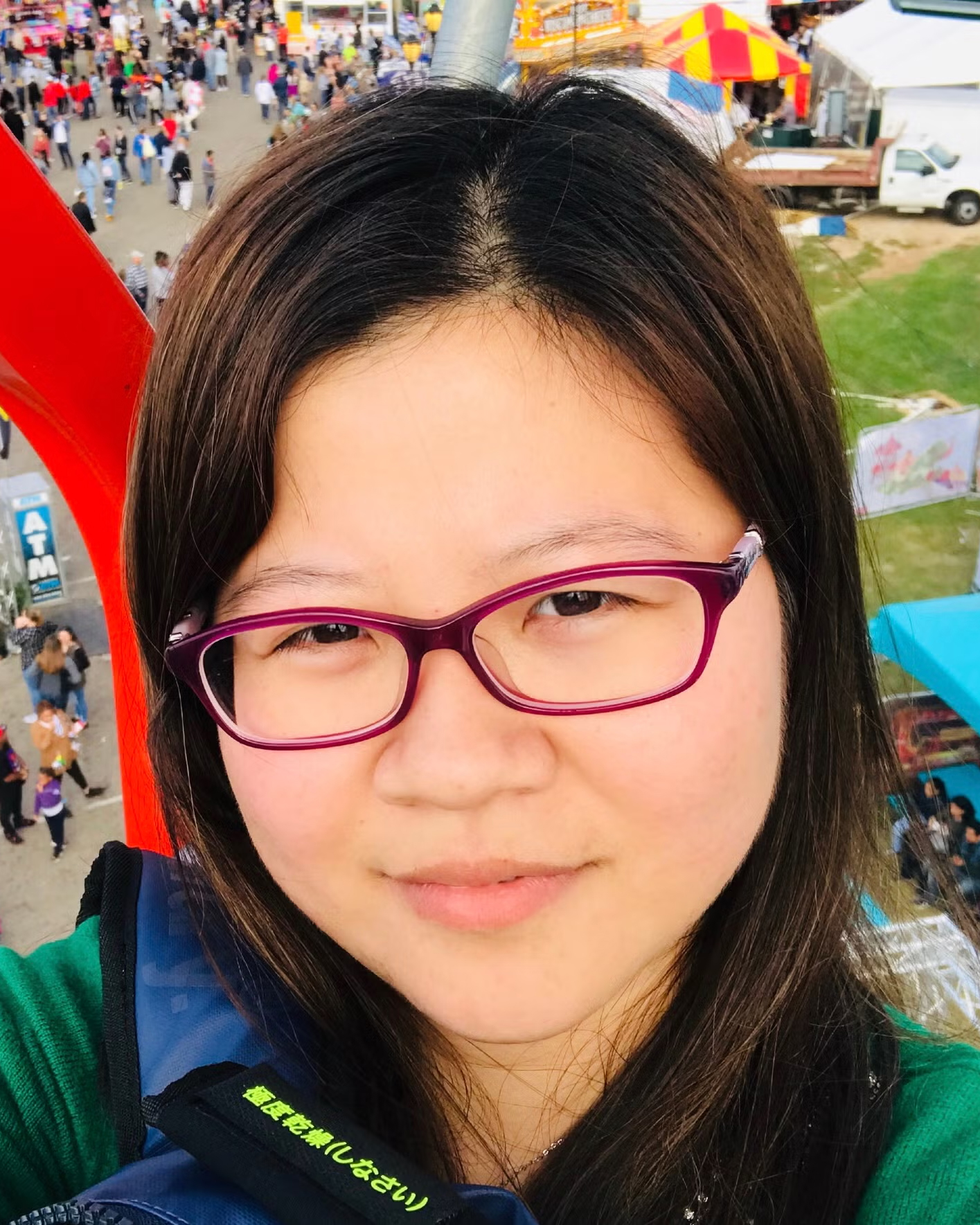
Yunjia Lai
Postdoctoral Representative
Dr. Yunjia Lai is a Postdoctoral Research Scientist at Columbia University, where she works with Dr. Gary W. Miller and Dr. Tal Korem on multi-omics, microbiome, and environmental health. She earned her PhD in Environmental Sciences and Engineering from the University of North Carolina at Chapel Hill in 2021. Dr. Lai’s research develops analytical and systems-level omics approaches to uncover the exposomic basis of disease. Integrating analytical chemistry, toxicology, high-resolution mass spectrometry, and multi-omics, her work seeks to define how environmental exposures and microbiome interactions shape disease processes across molecular, cellular, and population scales, ultimately advancing exposome-informed precision medicine. In recognition of her work, she was named a Blavatnik Regional Award Finalist for Young Scientists and has received the ES&T Best Paper Award, the InnoStar Best Abstract Award, and the SOT/MSBSS Postdoctoral Scholar Research Award. Dr. Lai has been active in the SOT communities, including serving as Postdoctoral Representative of the SOT Biotechnology Specialty Section (BTSS) from 2023 to 2025. She will be committed to strengthening AACT by increasing the visibility of Chinese toxicologists, supporting trainees, and fostering inclusive scientific exchange across exposure science, toxicology, and human health.
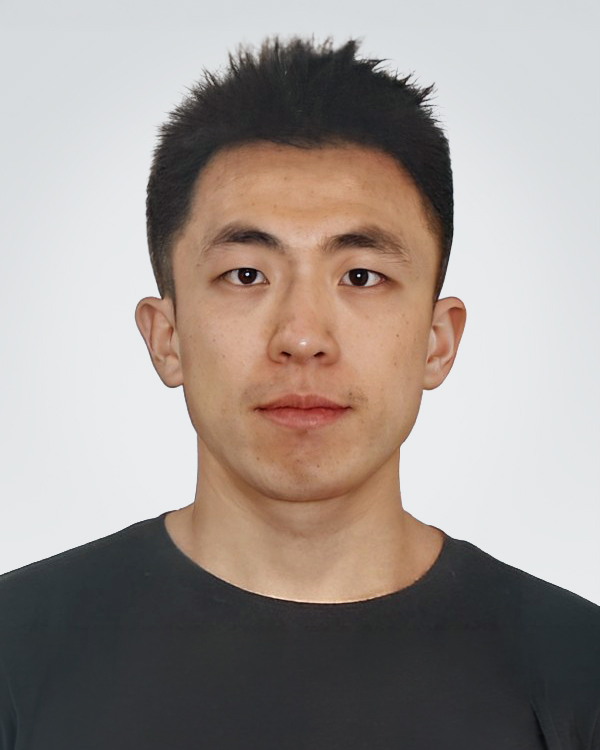
Yihan Fan, BM, MPH
Graduate Student Representative
Yihan Fan is a PhD student in Environmental Health Sciences at the UCLA Fielding School of Public Health, where he works with Dr. Feng Gao. His research focuses on environmental health and computational toxicology, with particular interests in applying epidemiological, multi-omics, machine learning, and artificial intelligence approaches to investigate the health effects of environmental exposures. He received his MPH in Epidemiology from Emory University and his Bachelor of Medicine in Clinical Medicine from Peking University Health Science Center. As the Graduate Student Representative of the American Association of Chinese in Toxicology (AACT), Yihan is committed to promoting graduate student engagement, scientific communication, and professional development within the AACT and Society of Toxicology communities.
Past Officers
View past AACT Officers.
Contact
To reach the Special Interest Group Officers, please email SOT Headquarters