
2026–2027 Board

Dr. Neera Tewari-Singh
President
Dr. Neera Tewari-Singh is an Associate Professor at the Department of Pharmacology and Toxicology and an affiliated faculty at the Institute for Integrative Toxicology at Michigan State University. She received her doctoral degree from the School of Life Sciences, Jawaharlal Nehru University, New Delhi but mainly carried out her doctoral research under the German Academic Exchange Service (DAAD) fellowship at the Institute of Molecular Genetics, Leibniz University Hannover, Germany. She was a postdoctoral fellow at the Colorado State University (2003–2006) and then a Research Associate, Instructor and Assistant Professor at the University of Colorado Denver (2006–2018). With an extensive background in molecular biology and toxicology, the long-term goal of her research is to pursue basic and translational research to develop countermeasures/ targeted therapies against the chemical threat and environmental exposures that can cause harmful effects/mass casualties as well as long-term inflammatory diseases to the human population. Dr. Tewari-Singh is a principal investigator on funded grants from the National Institutes of Health and the Department of Defense programs.
Due to her recognition in the field of Toxicology and Medical Chemical Defense, she has been invited to serve as a Dermal Toxicology Expert on the Scientific Advisory Board, National Center for Toxicological Research, US FDA, and to serve on the National Academy of Sciences committee to address specific issues related to strategies to prevent, counter, and respond to chemical terrorism, and identify technical, policy, and resource gaps. Dr. Tewari-Singh serves as an expert volunteer to address critical national issues in this area that will provide unbiased advice to the federal government, other policy and decision makers, and the public. She has extensively published her work (over 50 peer-reviewed publications and reviews) and had been invited to give talks at National and International meetings as well as Academic Institutions. She has received numerous honors and awards including the Society of Toxicology-Association of Scientists of Indian Origin Young Investigator Award, Ocular Toxicology Innovation and Impact Award, and the Dermal Toxicology Best Paper of the Year award.
Dr. Tewari-Singh has developed strong research collaborations, mentors’ postdoctoral fellows, graduate, and undergraduate students, and has demonstrated leadership and service in professional societies and academic institutions. She has been a member of the Society of Toxicology (SOT) since 2008 and has chaired several scientific sessions, participated in mentoring events, and organized and chaired continuing education course in 2019. She has served as a Councilor, President, and Treasurer for the Dermal Toxicology and Ocular Toxicology Specialty Sections, respectively, of the SOT and is currently the Treasurer of the Michigan Chapter of the SOT. She serves on several NIH and the Department of Defense grant review panels, and the Pharmacology and Toxicology department committees and is also the Chairperson, Committee on Research and Graduate Studies for the College of Osteopathic Medicine at Michigan State University. In addition, Dr. Tewari-Singh serves on the editorial boards of toxicology journals like Toxics; Toxicology Mechanisms and Methods; and Cutaneous and Ocular Toxicology.

Dr. Smita Salian-Mehtah
Vice President
Dr. Smita Salian-Mehta is a board-certified (DABT)and European registered toxicologist (ERT) and is currently a Principal Scientist II at Gilead, where she leads as a non-clinical lead and nonclinical sub-team lead on research and development project teams for the past 3 years. Smita is responsible for designing, implementation, oversight and analysis of nonclinical programs to support drug development candidates across a variety of small molecules and biologic platforms for Oncology, Immunology and Virology portfolios. Her responsibilities include supporting global regulatory filings and actively lead integration of early nonclinical safety strategies from discovery throughout post-marketing. Previously to Gilead, Smita was a Senior Scientist at Abbvie for more than 5 years, where she supported nonclinical safety assessment of drug candidates for small molecule and biologic modalities. She received her bachelors and master’s in microbiology (2004), doctorate in Biochemistry (specialization in Reproductive Toxicology) from National Institute for Research in Reproductive Health (Indian Council of Medical Research), Mumbai in 2010. Smita also completed a postdoctoral fellowship in Neuroendocrinology at University of Colorado from 2011–2015. She has authored/co-authored 18 peer-reviewed publications. Dr. Salian-Mehta has served on the several external industry organizations like Biosafe (leadership and general meeting committee), Health and Environmental Sciences Institute (HESI-Immunosafety translational sciences), Pharmaceutical & Bioscience Society International (PBSS-organizer) and international consortium (IQ) working groups (WGs) Minipig and CRO outreach WG and co-chair for IQ NHP husbandry and 3R-Recovery WGs. Internally, Smita has actively supported several committees including AbbVie 3R advancement committee, Gilead NHP husbandry meeting, Gilead biologic/degrader working groups. Smita has been a member of SOT since 2009 and is active SOT and ASIO mentor, ASIO newsletter committee member and presented at regional SOT annual meetings and Women in toxicology webinars. Smita served as president (2021–2022), president-elect (2020–2021), councilor (2017–2019) for the Mid-west regional chapter of SOT. She is an active member of the regional and national toxicology community. As a previous recipient of the first ASIO international travel award, Smita strongly values the role ASIO, and its mentors have made on her career as a toxicologist. In the role of a vice-president elect at ASIO, her leadership role will be to enhance visibility for ASIO, foster existing member network activities, encourage young toxicologists, and provide significant contribution to ASIO-driven initiatives.
Dr. Senthilkumar Perumal Kuppusamy
Vice President-Elect
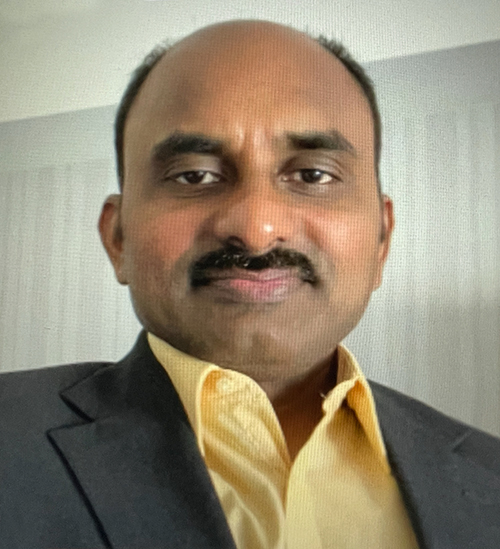
Dr. Senthilkumar Perumal Kuppusamy currently serves as a Non-Clinical Safety Leader at Novartis Pharmaceuticals where he develops safety strategies for discovery and development programs across multiple modalities and therapeutic areas and represents preclinical safety on global project teams. Before joining Novartis, he worked at Johnson & Johnson (J&J) Pharmaceuticals, contributing to non-clinical safety strategies, authoring regulatory documents such as IND, IB, CTA, NDA, BLA, and MAA, conducting due diligence, engaging with senior management and health authorities, and overseeing comprehensive safety assessments for diverse therapeutic candidates and modalities. He is a trained veterinarian with a PhD in Human Toxicology from the University of Iowa and holds certifications as a Diplomate of the American Board of Toxicology and a European Registered Toxicologist.
Earlier in his career, Dr. Kuppusamy served as Global Head of Toxicology and Product Safety at Eastman Chemical Company leading a worldwide team of toxicologists, ecotoxicologists, and hazard communication specialists. He was responsible for product safety and compliance across all business units and supported advocacy efforts related to emerging chemical regulations. Prior to Eastman, he worked at Lubrizol Corporation, managing toxicology studies, performing human risk assessments, and providing expertise in hazard communication and global compliance. He began his professional journey at the US Environmental Protection Agency (EPA) and the Centers for Disease Control and Prevention (CDC), where he conducted critical reviews of toxicology data and developed integrated human health risk assessments for various substances.
Dr. Kuppusamy has held numerous leadership roles and received honors from the Society of Toxicology (SOT), the American College of Toxicology, and the Environmental Mutagenesis and Genomics Society. Within SOT, he has served as President of the Regulatory and Safety Evaluation Specialty Section, Councilor for the Ohio Valley and Southeastern Regional Chapters, Postdoctoral Representative, and as a member of several SOT committees, including Membership, Continuing Education, and Diversity Initiatives. He has also contributed as a Peer Mentor for the Undergraduate Education Program. Dr. Kuppusamy began his involvement with SOT as a Graduate Student Representative for the Association of Scientists of Indian Origin (ASIO) and the Student Advisory Council.

Dr. Shanthi Ganesan
Secretary/Treasurer
Dr. Shanthi Ganesan is a principal investigator at Prelude Therapeutics, where she designs and implements comprehensive toxicology strategies, and ensures strict regulatory compliance. She also serves as a Study Monitor for outsourced studies, ensuring they meet scientific and regulatory standards. Her expertise covers all aspects of toxicology study management, including the design, execution, and analysis of studies, as well as the critical review of study protocols and reports. Her role is essential in advancing the development of therapeutic candidates through rigorous toxicological evaluation, contributing to the safety and efficacy of new drugs. Dr. Ganesan’s academic background is rooted in veterinary and animal sciences. She earned her Bachelor of Veterinary Science from Tamil Nadu Veterinary and Animal Sciences University (1995–2001), followed by a Master’s degree in Animal Biotechnology (2006–2008). She then completed a PhD in Toxicology with a Minor in Veterinary Pathology (2011–2014) and a postdoctoral fellowship (2014–2019) at Iowa State University. Dr. Ganesan is the author or co-author of 31 publications, including peer-reviewed articles and two book chapters. Throughout her academic career, Dr. Ganesan has held significant leadership roles. She served as a graduate student representative on the Policy Library Advisory Committee and acted as a Work/Life Balance Postdoctoral Representative at Iowa State University, advocating for the well-being of her peers. Additionally, she has served as a Vice President and Treasurer of the Postdoctoral Association at Iowa State University. She has been a member of the Society of Toxicology (SOT) since 2011, she has also served as a session co-chairperson at the annual meetings and as a chairperson for poster sessions at the Society for the Study of Reproduction’s annual meetings. Her commitment to work-life balance and her role in mentoring graduate students highlight her holistic approach to professional and personal development. Dr. Ganesan continues to make significant contributions to toxicology, driven by her passion for science and her commitment to advancing public health.

Dr. Adhithiya Charli
Past President
Dr. Adhithiya Charli is currently working as a Principal Scientist—Toxicology at Biogen, Inc (Cambridge, Massachusetts). As a Principal Scientist, Adhithiya has been involved in several drug development programs ranging over a variety of modalities. He has also contributed to study designing and execution of several IND enabling programs and submissions. Adhithiya has previously worked as a Study Director, at Charles River Laboratories (Horsham, PA) for about three years. As a Study Director, he has conducted several pre-clinical safety assessment studies per regulatory guidelines (US FDA and OECD) and GLP standards in the fields of Juvenile Toxicology, Development and Reproductive Toxicology (DART), Phototoxicology and Cell/Gene Therapy. Prior to joining Charles River Laboratories, we worked as a postdoctoral research associate at Iowa State University in the College of Veterinary Medicine. His work during postdoc primarily focused on early neurodegenerative disease diagnosis strategies using serum and multi-vesicular based biomarker discovery and novel therapeutic targets. This also involved analysis of pre-clinical and clinical samples of neurodegeneration.
Dr. Charli received his doctorate in Toxicology from Iowa State University (Ames, IA) in 2018. His doctoral research was about focused on the mechanistic role of environmental pesticides triggering neuronal toxicity effects, that lead to the etiopathogenesis of Parkinson’s disease.
Dr. Charli has several scientific and review article publications in high impact peer reviewed journals and has also co-authored several book chapters. Adding on, he has presented his research in many scientific conferences and his research works has been recognized through several commendable awards including scientific scholarships, research grants, travel awards and best poster/paper awards. Adhithiya also currently serves as a manuscript reviewer for the Toxicological Sciences and ACS Chemical Neuroscience. Adhithiya has been a member of the Society of Toxicology (SOT) since 2013 and American College of Toxicology (ACT) since 2015 and has served as the graduate student representative for several Specialty Sections (BTSS, NTSS, ASIO, etc.,). He currently holds the Associate Member status at the SOT and ACT. In addition, since the beginning of 2022, Adhithiya has been a contributing member representing Biogen, Inc in the BioSafe Committee and Bespoke Gene Therapy Consortium—Foundation for the National Institutes of Health.
Dr. Swati Rawat
Senior Councilor
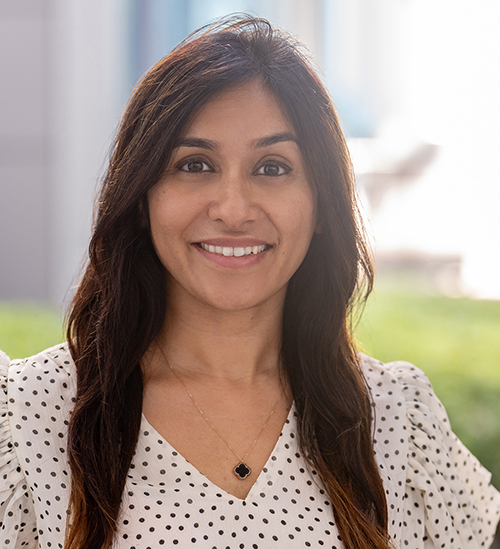
Dr. Swati Rawat is a highly accomplished Senior Manager at BD, leading the Biocompatibility and Toxicology group within the Advanced Patient Monitoring Business Unit. In this role, she provides expert oversight of biological and chemical data evaluation for toxicological risk assessments of medical devices, ensuring comprehensive biocompatibility. As a board-certified toxicologist, she is responsible for the strategic development and implementation of preclinical safety testing programs, encompassing the design of both in vitro and in vivo studies. Dr. Rawat also directs the preparation of detailed biocompatibility reports to support regulatory submissions, conducts thorough gap assessments of ISO 10993 standards, and performs impact analyses on legacy products. Dr. Rawat earned her PhD in Biochemistry and Molecular Biology from Wayne State University in 2011, followed by a postdoctoral fellowship at the University of California, Irvine from 2011 to 2014. Since 2019, she has served on the Biological Evaluation Committee for the Association for the Advancement of Medical Instrumentation (AAMI), contributing to various working groups, including AAMI BE-WG06 (Mutagenicity, Carcinogenicity, and Reproductive Toxicity) and AAMI BE-WG10. She is also an active member of the Biocompatibility Working Group for the Advanced Medical Technology Association (AdvaMed). Dr. Rawat’s scholarly contributions include authorship and co-authorship of ten publications, encompassing peer-reviewed articles in prestigious journals, such as Nature, and book chapters. Since 2022, she has been a member of the Society of Toxicology (SOT) and actively participates in Women in Toxicology, ASIO, and the Southern California Regional Chapter of SOT. As a Councilor, Dr. Rawat is committed to fostering a dynamic community of toxicology professionals dedicated to advancing the field. She aims to enhance member engagement through regular workshops and seminars highlighting cutting-edge research and emerging trends. By facilitating collaboration among academia, industry, and regulatory bodies, she seeks to create a robust platform for knowledge dissemination and professional networking. Furthermore, she is dedicated to advocating for public outreach initiatives that educate on critical toxicological issues, ensuring the society plays a pivotal role in informing policy and promoting safe practices. Her overarching goal is to strengthen the chapter’s impact and visibility, thereby contributing to a healthier and safer environment for all.
Dr. Milan Prajapati
Junior Councilor
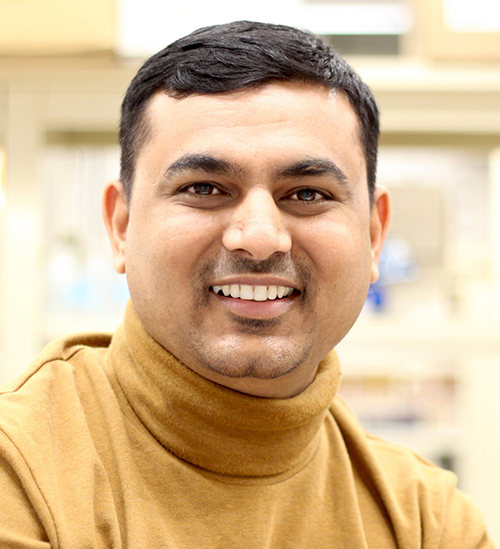
Dr. Milan Prajapati earned his bachelor’s degree in pharmacy in 2008, establishing the foundation for his long-standing interest in pharmacology and toxicology. He subsequently completed a master’s degree in pharmacology and toxicology at Long Island University (NY) and a PhD in Pharmaceutical Sciences at St. John’s University (Queens, NY) in 2017. Following his doctoral training, Dr. Prajapati conducted postdoctoral research at Brown University (2017–2021), after which he was appointed Assistant Professor (Research) in the Department of Pathology and Laboratory Medicine at the Warren Alpert Medical School of Brown University. He recently transitioned to a tenure-track position as Assistant Professor of Pharmacology in the College of Pharmacy at Ferris State University in Big Rapids, Michigan.
Dr. Prajapati’s research focuses on elucidating mechanisms of metal toxicity, with particular emphasis on the roles of iron and manganese in cellular regulation and disease. His doctoral work investigated environmental and occupational metal exposures, and his postdoctoral research with Dr. Thomas Bartnikas examined inherited and acquired metal toxicities using both in vivo and in vitro systems. His scientific contributions have been recognized with multiple awards, including honors from the Clinical and Translational Toxicology Specialty Section, Association of Scientists of Indian Origin Special Interest Group, and Molecular and Systems Biology Specialty Section of the Society of Toxicology (SOT), as well as recognition from the Gordon Research Conference.
In addition to his research accomplishments, Dr. Prajapati has demonstrated strong leadership and service within the scientific community. A member of SOT since 2013, he has contributed to organizing scientific sessions, mentoring initiatives, and outreach activities. His leadership roles include serving on the SOT Mentoring Breakfast Committee, representing the Clinical and Translational Toxicology Specialty Section, and chairing poster sessions at annual SOT meetings. His outreach extends beyond SOT through participation in programs such as Skype a Scientist, the New York State Science and Engineering Fair, and toxicology career panels. At Brown University, he also served on the Postdoctoral Council (2019–2021) and on review panels for Undergraduate Teaching and Research Awards (UTRA). Additionally, he has independently taught courses in pharmacology and toxicology, underscoring his commitment to education and mentorship.
Dr. Ishita Virmani
Postdoctoral Representative
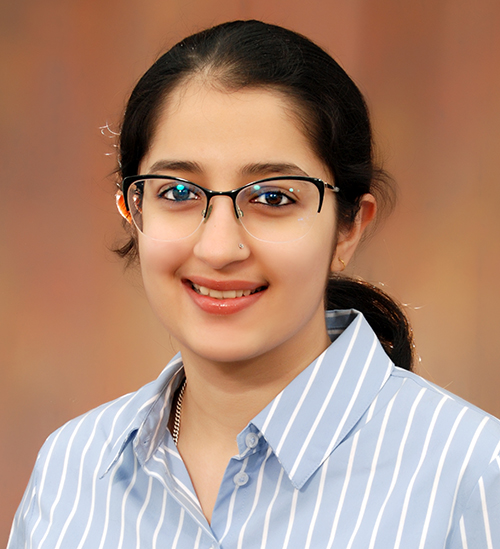
Dr. Ishita Virmani is an early career researcher in Environmental Health Sciences whose work focuses on in vitro toxicology and new approach methodologies (NAMs) to advance mechanistic understanding of toxicity and reduce reliance on animal testing. She completed her PhD in Environmental Health Sciences in the Czech Republic in November 2025 and has been a member of the Society of Toxicology (SOT) since 2020. She is the author or co author of 11 scientific publications.
During her doctoral training, Dr. Virmani served as Graduate Student Representative in the Medical Device and Mixtures Specialty Sections and as Secretary on the Graduate Student Leadership Committee (GSLC) Communications Subcommittee, where she helped strengthen trainee engagement, scientific communication, and leadership within the toxicology community.
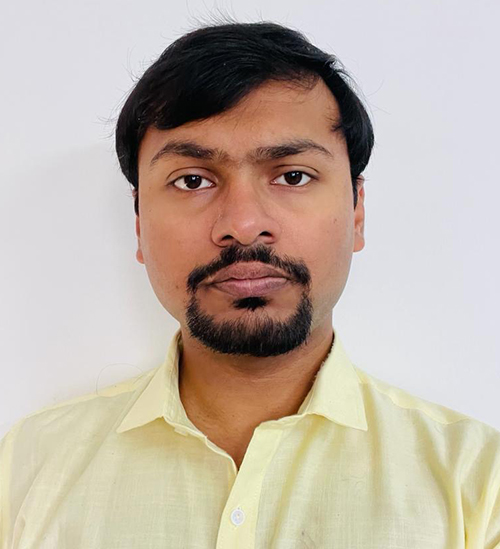
Mrinal Patnaik
Graduate Student Representative
Mrinal Patnaik is a Senior Resident (Academic) in Medical and Forensic Toxicology at the All India Institute of Medical Sciences in Raipur, India where he is involved in the clinical management of toxicological emergencies and critical care support, medico-legal autopsies, and translational toxicology research, with a particular focus on organophosphate poisoning, biomarkers, and cardiac dysfunction. He received his MD in Forensic Medicine and Toxicology from AIIMS Bhopal in 2024, following his MBBS from the University of Delhi, and subsequently qualified Diplomate of National Board (DNB) in Forensic Medicine. He is currently pursuing a DM in Medical and Forensic Toxicology at AIIMS Raipur (since July 2024). His research has been supported by competitive funding, including an Indian Council of Medical Research grant for his DM thesis, an International Committee of the Red Cross (ICRC) research grant during his MD training, and international educational grants for advanced training in glomerular pathology, as well as neuropathology-focused international training aligned with his forensic and clinicopathological interests.
He has served as a peer reviewer for several journals. He is author or co-author of 12 peer-reviewed publications, including original articles, reviews, and case reports spanning clinical toxicology, forensic pathology, ethics, and therapeutic drug monitoring, with additional manuscripts under review. He is the recipient of the Dr. Andre’s Award for Best Paper Presentation (2021) from the Indian Society of Toxicology, recognizing excellence in postgraduate toxicology research. He is a Graduate Student member of SOT since 2025.
To contact the ASIO Special Interest Group Leadership, please send an email to SOT Headquarters.