
About SCSS
The Stem Cells Specialty Section (SCSS) is a subgroup of the Society of Toxicology membership that provides a forum for SOT members interested in stem cells and stem cell toxicology. Section members will have expertise in all types of stem cell models including embryonic, fetal, progenitor, induced pluripotent, mesenchymal, and immortalized stem cell lines. SCSS is comprised of academic, government, industry, clinical, and preclinical researchers in order to relate the developments in stem cells research to the activities of SOT to stimulate interest and growth in stem cells as it relates to the general science of toxicology. At the SOT Annual Meetings, the Section sponsors Continuing Education courses and Symposia as well as awards for students and postdoctoral fellows. Elected officials consist of the President, Vice President, Vice President-Elect, three Councilors, and the Secretary/Treasurer. There also are Student and Postdoctoral Representatives.
Objectives
2026–2027 Officers
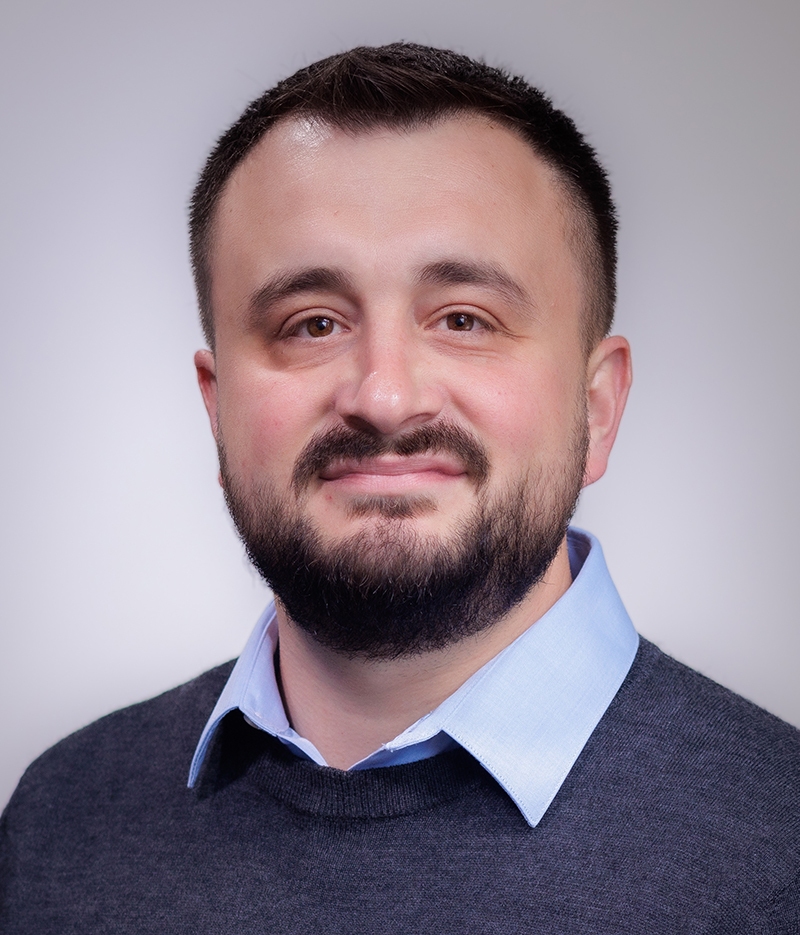
Sebastian Medina, PhD
President
Dr. Sebastian Medina is currently an Assistant Professor in the Department of Pharmaceutical Sciences at the University of New Mexico (UNM) Health Sciences Center (HSC). He attained a PhD with distinction in Biomedical Sciences with a concentration in Pharmaceutical Sciences under the mentorship of Dr. Scott Burchiel at the UNM HSC. He then completed a postdoctoral fellowship under the mentorship of Dr. Ke Jian “Jim” Liu at the UNM HSC prior to transitioning to New Mexico Highlands University (NMHU). Dr. Medina’s major research interests are in the toxicology of environmental metals and their impacts on human health. He is particularly interested in understanding mechanisms of metal-induced toxicity to hematopoietic stem and progenitor cells, including the hematotoxicity of inorganic and organic arsenicals. His other major research interests are in elucidating mechanisms of immune dysregulation produced by metal and other toxicant exposures. Dr. Medina is primary author or coauthor of ~20 peer-reviewed articles and/or book chapters. He has received multiple awards for his research and scholastic achievements including, the Gerald Yost Outstanding Graduate Student Award from the Mountain West Society of Toxicology (MWSOT). Dr. Medina has been an active member of the Society of Toxicology and Stem Cells Specialty Section since 2016, including having served as the Graduate Student Representative of MWSOT (2016-2018), Postdoctoral Representative (2018-2021), and Vice President-Elect (2024-present). He is currently Principal Investigator of a National Institute of a General Medical Sciences SuRE Research Award (R16) and former Program Director of two USDA-funded programs focused on increasing the number of students from traditionally underserved populations graduating with degrees in life sciences.
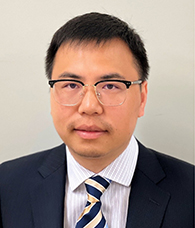
Xian Wu, PhD
Vice President
Dr. Xian Wu is a Research Assistant Professor in the Department of Pharmacology and Toxicology at the Brody School of Medicine, East Carolina University. He holds a PhD in Toxicology from the University of Georgia, where he specialized in neurotoxicity screening using human pluripotent stem cell–derived neurons and astrocytes. Dr. Wu has extensive postdoctoral experience, having served as a postdoctoral fellow at the NIEHS and an ORISE fellow at the US FDA. His primary research focuses on the effects of environmental toxins on human health, particularly through the use of stem cell–based models to investigate developmental neurotoxicity and cardiotoxicity. His other research interests include chemotherapy-induced cardiotoxicity and the use of epigenetic regulation as a strategy for heart regeneration. Dr. Wu is the primary author or coauthor of approximately 25 peer-reviewed articles and book chapters. He has received multiple awards for his contributions to toxicology, including the Society of Toxicology Best Postdoctoral Publication Award, the Excellence in Research Award from the Stem Cells Specialty Section, and the Fellows Award for Research Excellence from the National Institutes of Health. Dr. Wu has been an active member of the Society of Toxicology (SOT) since 2014 and has served as the Postdoctoral Representative (2019–2020) and Secretary/Treasurer (2024–2025) of the Stem Cells Specialty Section. He is also actively involved in mentoring and service activities, contributing to various academic committees and editorial boards.
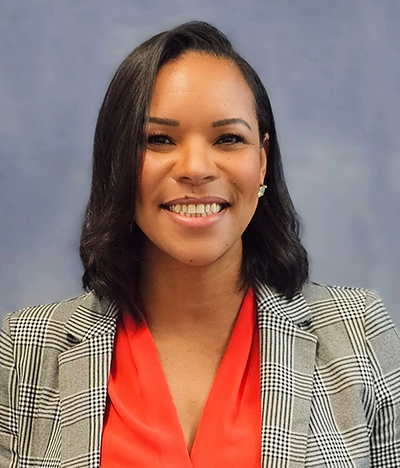
Nicole Sparks, PhD
Vice President-Elect
Dr. Nicole Sparks is an Assistant Professor in the Department of Environmental and Occupational Health within the Joe C. Wen School of Population & Public Health at the University of California, Irvine. Her research focuses on developmental toxicology and stem cell biology, using human pluripotent stem cell models to investigate how environmental toxicants disrupt embryonic skeletal development through transcriptional and epigenetic mechanisms. Her laboratory studies environmental exposures, including air pollutants, bisphenols, PFAS, and tobacco-derived toxicants, to identify molecular mechanisms and biomarkers of developmental bone toxicity. Dr. Sparks earned her PhD in Environmental Toxicology from the University of California, Riverside, following an MS in Biological Sciences from California State University, San Bernardino, where she was a California Institute for Regenerative Medicine (CIRM) Scholar. She completed her postdoctoral training at UC Riverside, where she was awarded the NIH NIEHS MOSAIC K99/R00 Award and a University of California Chancellor’s Postdoctoral Fellowship. Currently, the Principal Investigator of a National Institute of General Medical Sciences MIRA Award (R35). A member of the Society of Toxicology since 2013, Dr. Sparks has been actively engaged in the Stem Cell Specialty Section (SCSS) through service as Postdoctoral Representative (2020–2022), where she helped launch the quarterly SCSS newsletter, update the section’s logo and website, and establish its LinkedIn presence. She currently serves as Co-Chair of the Continuing Education Course Committee and has been an active participant at SOT Annual Meetings. Dr. Sparks is passionate about trainee development and advancing the next generation of toxicologists.
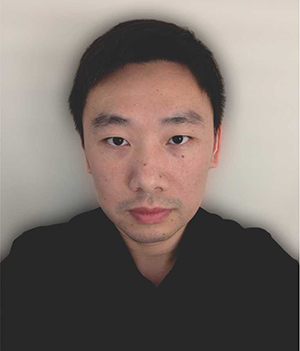
Shu Yang, PhD
Secretary/Treasurer
Dr. Yang is a research scientist in the Tox21 group at the National Center for Advancing Translational Sciences (NCATS), National Institutes of Health (NIH). His research evaluates the toxicity of environmental chemicals through high-throughput screening using human induced pluripotent stem cell (iPSC)–derived 2D and 3D models. His work spans the effects of environmental compounds on human neuronal models relevant to the reproductive and endocrine systems, the development of platforms to detect microglial neuroinflammation, and iPSC-derived liver organoids for drug-toxicity testing, alongside the exploration of potential therapeutics for endocrine-related disorders. His study identifying environmental chemicals that may trigger early puberty, published in Endocrinology, was named a top publication of 2024 by the journal’s editor-in-chief and received broad media coverage. After earning his PhD in Human Medical and Molecular Genetics from Fudan University (China) in 2016, he completed postdoctoral training at NCATS (2016–2019) and George Washington University (2019–2021). Dr. Yang has published more than 40 peer-reviewed articles and book chapters and holds 3 patents. He joined the Society of Toxicology (SOT) in 2024 and has received multiple honors, including the SOT AACT Best Publication Award, the NIH Director’s Award (2025), and multiple NCATS Director’s Awards.
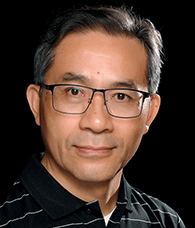
Xiugong Gao, PhD
Past President Councilor
Dr. Gao is a Research Biologist in the Office of Applied Research and Safety Assessment (OARSA) of the Center for Food Safety and Applied Nutrition (CFSAN) at the US Food and Drug Administration (US FDA) where he is the principal investigator for the stem cell research program and for the toxicogenomics research program. His research focuses on toxicity testing and safety assessment of chemicals related to food, cosmetics, and dietary supplements using stem cell-based in vitro models and transcriptomics technologies. He received his doctorate in biotechnology from Jiangnan University (China) in 1995 and was a postdoctoral fellow at the National Autonomous University of Mexico (1997-1999) and at the National Cancer Institute of the National Institutes of Health (NIH) (1999-2005). Dr. Gao has served on a review panel for the Board of Scientific Counselors (BOSC) of the US Environmental Protection Agency (US EPA) and on expert peer reviewer panels for the Office of the Chief Scientist Grants Program of the US FDA. He has also reviewed research proposals for the National Center for Toxicological Research (NCTR).
Dr. Gao has published 56 original research papers, 6 review articles, and contributed 7 book chapters. He has been a member of SOT since 2013 and has served as co-chair for an SOT FDA Colloquium on Emerging Toxicological Science.
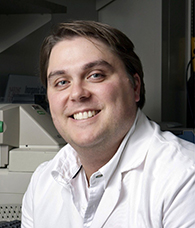
Erik Tokar, PhD
Councilor
Dr. Erik J. Tokar is the Leader of the Stem Cells Toxicology Group in the Mechanistic Toxicology Branch, Division of Translational Toxicology at NIEHS. He received his PhD in Cancer Biology from Michigan State University and completed a Postdoctoral fellowship at the National Cancer Institute at NIEHS, where he studied the role of stem cells and cancer stem cells in carcinogenesis. As head of the Stem Cell Toxicology Group, he develops and uses 2D and 3D (i.e., organoids) models to investigate the involvement of pluripotent stem cells in the pathogenesis of diseases associated with exposure to environmental chemicals. He has trained numerous students and fellows, served on several Postdoctoral science advisory and Doctoral supervisory committees, and served as an expert scientific reviewer on several toxicology-related funding applications and risk assessment documents. He has nearly 100 publications and serves as Associated Editor or on the Editorial Review Boards for multiple scientific journals. Since joining in 2006, Dr. Tokar has remained active in the Society of Toxicology (SOT). He has held positions in the Stem Cells Specialty Section (SCSS) (co-founder; Secretary/Treasurer; President), Metals SS (Postdoctoral Representative; Councilor; President) and the North Carolina Chapter of SOT (Councilor; President). He has also organized and/or presented in several SOT Annual Meeting sessions including symposia and Continuing Education Courses.
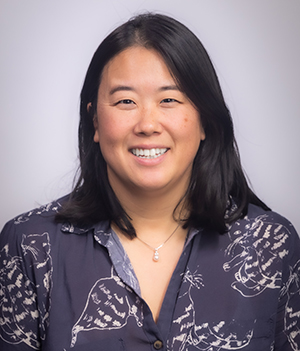
Julie In, PhD
Councilor
Dr. In is currently an Associate Professor in the Department of Internal Medicine (GI division) at the University of New Mexico Health Sciences Center. She attained a PhD in cell and microbial biology where she characterized the role of MARVEL-domain transmembrane proteins in regulating cargo loading and trafficking in polarized hepatocytes. Her postdoctoral training focused on gastrointestinal epithelial physiology where she focused on the intestinal stem cell and regenerative response to enteric pathogens. Her lab has continued to examine the intestinal stem cell response to luminal assaults, with particular focus on how environmental metals alter the hierarchical lineage of the gut epithelia.
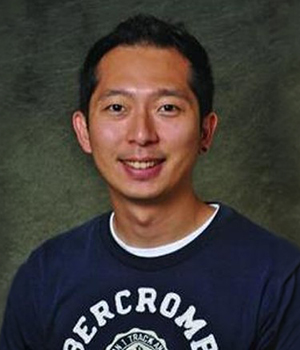
Hyunjin Kim, PhD
Postdoctoral Representative
Dr. Hyunjin Kim recently received his PhD in Toxicology at Purdue University under the mentorship of Dr. Aaron Bowman with whom he will also take his first step as a postdoctoral researcher. For his PhD research, he investigated the role of chronic manganese exposure as an environmental risk factor in Alzheimer’s disease (AD) etiology using human induced pluripotent stem cell (hiPSC)-derived cortical neuron-astrocyte co-cultures. Having received his doctorate in Toxicology and undergraduate degrees in Bioengineering and International Studies, Dr. Kim has a diverse academic/scientific background and values interdisciplinary research and enjoys meeting people with different perspectives. He is the first author of a review article in Trends in Molecular Medicine as well as two book chapters and co-authored seven peer-reviewed articles published in, amongst others, Toxicological Sciences, Alzheimer’s and Dementia, and NPJ Parkinson’s Disease. He has received 21 awards during his doctoral training. Notable and highly relevant examples include the SCSS’s Excellence in Research award and the SOT Supplemental Training for Education Program (STEP) award, the latter of which facilitated his attendance at the Frontiers in Stem Cells and Regeneration course at the Marine Biological Laboratory in Woods Hole, MA. He has presented his research in eight national/international-level meetings including SOT, International Society for Stem Cell Research, and Stem Cell Models of Neurodegeneration. He has been a member of SOT and SCSS since 2019 and has served two years as the graduate student representative in the Korean Toxicologists Association in America SIG.
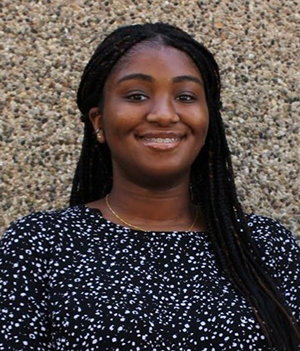
Nneamaka Iwobi
Graduate Student Representative
Nneamaka Iwobi is a PhD candidate in Pharmacological Sciences at the University of California, Irvine, working in the Sparks Laboratory within the Department of Pharmaceutical Sciences. She earned her BS in Biological Sciences, with a Philosophy Certificate in Logic & Sciences, from the University of Maryland, Baltimore County, where she was a Meyerhoff Scholar. Her doctoral research investigates how bisphenol compounds and other environmental toxicants disrupt osteogenic differentiation in human embryonic stem cells, using single-cell RNA sequencing, transcriptional profiling, and in vitro models to identify biomarkers of developmental toxicity linked to skeletal birth defects. Nneamaka has presented her work at national and regional meetings including the Society of Toxicology (SOT) Annual Meeting and Birth Defects Research & Prevention (BDRP), earning recognition such as the Stem Cells Specialty Section Excellence in Research Award and multiple travel and poster awards. As a Meyerhoff Peer Mentor, she supervises undergraduate researchers on projects related to her dissertation work and remains active in mentorship and diversity, equity, and inclusion efforts at UCI, including service on the DEI Committee and as a DECADE mentor. She also serves the broader Nigerian community through her involvement with Umu Igbo Unite, having held roles including Public Relations Officer and Fundraising Chair for the Los Angeles chapter.
Contact
To contact the Stem Cells Specialty Section leadership, please email SOT Headquarters.