

Schedule and Publications
Schedule by Day
This day-by-day schedule will be continually updated as sessions and events are finalized. For the most up-to-date information, consult the 2027 SOT Online Planner.


Icon Key
IAT Innovations in Applied Toxicology Session
ITS Innovations in Toxicological Sciences Session
 Career Advancement
 Mentoring
 Networking
UNDERGRADUATE EVENT
Undergraduate Development Program: Opening Event
Saturday, March 13, 5:15 PM to 7:30 PM
By Invitation Only
SPECIAL EVENT
Undergraduate Development Program Reunion
Saturday, March 13, 7:30 PM to 8:30 PM
All meeting registrants are invited to attend, especially those who have previously participated in the Undergraduate Program.
SUNRISE MINICOURSES
Continuing Education Courses
Sunday, March 14, 7:00 AM to 7:45 AM
Separate Registration and Fee
- SR01: Harmonized Benchmark Dose Modeling for Risk Assessment Decision-Making
- SR02: On the Nerve: From Implantation Studies to Risk Assessment of High-Risk NeuroTech Medical Devices
- SR03: Running the Last Mile: A Playbook for Helping Your Research Get Noticed, Found, and Used
UNDERGRADUATE EVENT
Undergraduate Education Program
Sunday, March 14, 8:00 AM to 5:00 PM
Free Reservation Required; Undergraduates Only
This daylong program introduces undergraduates to toxicology and includes opportunities to explore and interpret data, meet with academic program directors, and network with SOT mentors.
MORNING COURSES
Continuing Education Courses
Sunday, March 14, 8:15 AM to 12:00 Noon
Separate Registration and Fee
- AM04: Beyond the Black Box: Chemical Profiling, Grouping, and Read-Across with the OECD QSAR Toolbox
- AM05: Effective Leadership for Complex Science Teams: Leveraging Observational Phenotyping to Improve Team Performance and Innovation in Toxicology
- AM06: Not Lost in Translation: Highlighting the Value of a Harmonized Language for Environmental Health to Support Risk Assessment Determinations
- AM07: Operationalizing and Advancing New Approach Methods for Chemical Risk Assessment
- AM08: Pulling Back the Curtain: AI/ML for Pharmaceutical Toxicologists with Hands-On Examples
- AM09: Transcriptomic Point of Departure (tPOD): Basics to Bioinformatic Considerations
AFTERNOON COURSES
Continuing Education Courses
Sunday, March 14, 1:15 PM to 5:00 PM
Separate Registration and Fee
- PM10: AI for Safety and Regulatory Decision-Making: Building Trust, Transparency, and Translation in Toxicology
- PM11: From NAMs to Regulatory Conclusions: Building and Evaluating IATAs for Neurotoxicity
- PM12: Making the Most out of Read-Across: Successful Application of Global Guidance
- PM13: Ocular Toxicity of Systemically Administered Therapeutics
- PM14: The Future Is Here: Practical Implementation of NAMs for Acute Toxicity
- PM15: Welcome to the Jungle: An Overview of Botanicals and Considerations for Toxicity Testing
SPECIAL EVENT
Awards Ceremony and Music
Sunday, March 14, 4:45 PM to 6:30 PM
Join SOT in honoring its award recipients. Music begins at 4:45 pm, with the ceremony starting at 5:15 pm.
SPECIAL EVENT
Welcome Reception
Sunday, March 14, 6:30 PM to 7:30 PM
All are invited to attend this event, which includes hors d’oeuvres and a cash bar.
SPECIAL EVENT
25-Year (or More) Member Reception
Sunday, March 14, 7:00 PM to 8:00 PM
By Invitation Only
If you’ve been an SOT member for 25 years or more, come celebrate at this reception.
STUDENT AND POSTDOC EVENT
Student/Postdoctoral Scholar Mixer
Sunday, March 14, 7:30 PM to 9:00 PM
Free Reservation Required
All students and postdocs are invited to attend. Complimentary refreshments and a cash bar will be available.
OPENING PLENARY SESSION
Energy and Toxicology: Musings from an Energy Geoscientist
Monday, March 15, 8:00 AM to 9:00 AM
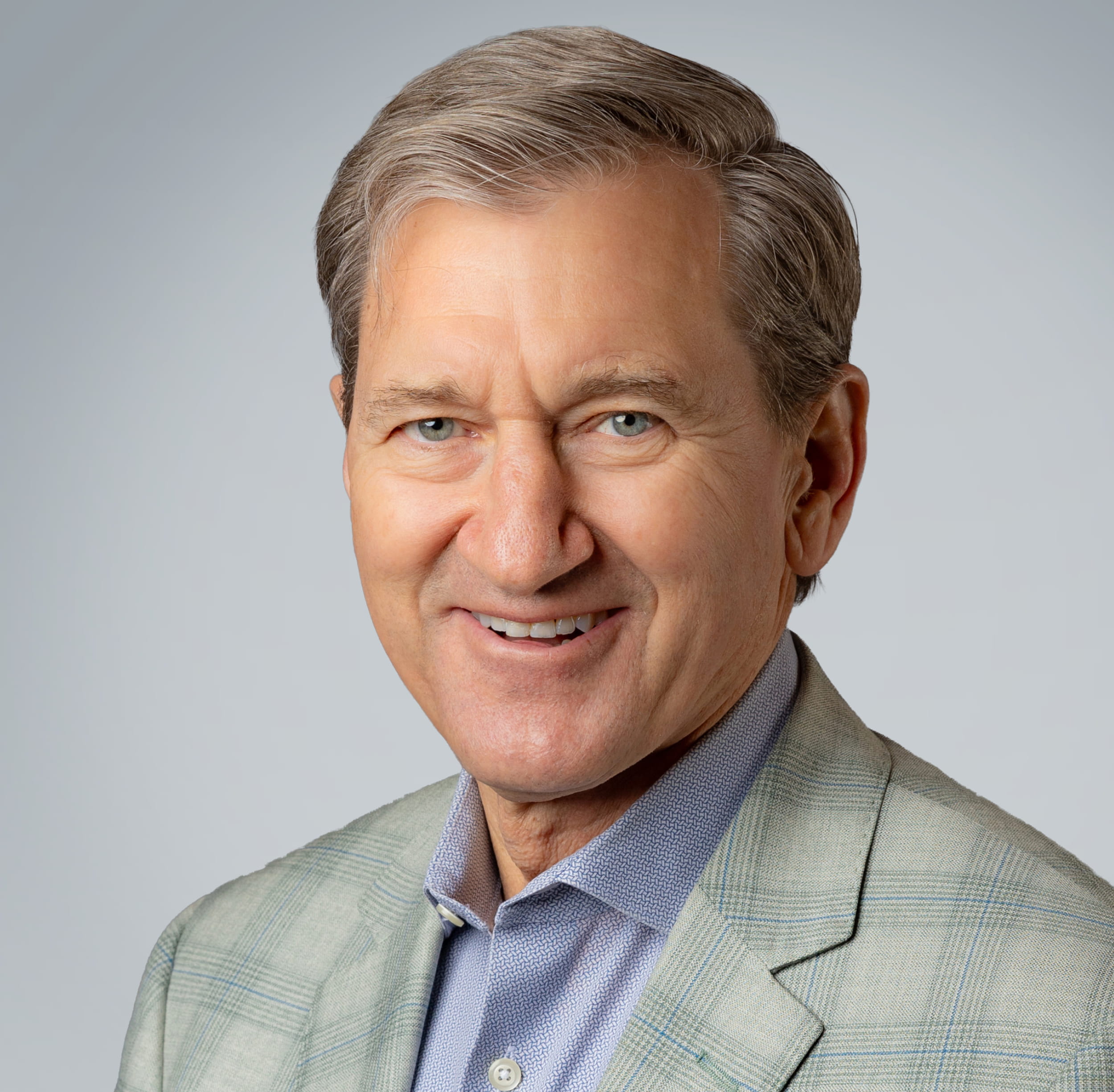
Scott W. Tinker
University of Texas/Bureau of Economic Geology, Austin, TX.UNDERGRADUATE EVENT
Undergraduate Development Program
Monday, March 15, 8:00 AM to 5:00 PM
By Invitation Only
Undergraduate Development Program mentor groups attend Annual Meeting sessions and posters, participate in exclusive activities, and celebrate the weekend’s accomplishments
SPECIAL EVENT
Global Gallery of Toxicology
Monday, March 15, 9:00 AM to 4:30 PM
The Global Gallery of Toxicology allows participating organizations to display posters showcasing their upcoming meetings, key accomplishments, strategic initiatives, journals, awards, and more.
SPECIAL EVENT
SOT Component Group Posters
Monday, March 15, 9:00 AM to 4:30 PM
Dedicated poster space showcases the activities of the SOT Regional Chapters, Special Interest Groups, and Specialty Sections (SOT Component Groups).
SPECIAL EVENT
ToxExpo Exhibits
Monday, March 15, 9:00 AM to 4:30 PM
Visit the 275+ exhibitors for product, service, and career insights.
SESSIONS
Scientific Sessions, Regional Interest Session, and Education-Career Advancement Session
Monday, March 15, 9:15 AM to 10:30 AM
Scientific Sessions
- Emerging Toxicology of Illicit Opioids: From Overdose Pathophysiology to Organ Injury and Medical Countermeasures ITS
- Extracellular Vesicles as Mechanistic Mediators of Respiratory Toxicity
- The Vagina Monologues: Expanding Reproductive Toxicology to the Vaginal Interface
- Transforming Drug Discovery Using Agentic AI for Target Knowledge Reviews and Weight of Evidence Decision-Making IAT
Regional Interest Session
- Federal and State Toxicologists Dancing the Texas Two-Step: Protecting the Environment and Public Health
Education-Career Advancement Session
- Decision-Making Across the Drug Development Continuum: How Does It Align with Your Career Path?
STUDENT AND POSTDOC EVENT
Trainee Discussion with Plenary Session Speaker Scott Tinker
Monday, March 15, 9:30 AM to 10:30 AM
Free Reservation Required; Limited Seating; Students and Postdocs Only
Plenary Session speaker Scott Tinker will meet informally for discussion with graduate students and postdoctoral scholars.
SPECIAL EVENT
Global Collaboration Coffee
Monday, March 15, 9:30 AM to 11:30 AM
SPECIAL EVENT
Tiny Tox Talks
Monday, March 15, 10:00 AM to 3:40 PM
These are 20-minute presentations on a variety of topics, ranging from AI practices to toxicology careers. The complete schedule of Tiny Tox Talks is available in the SOT Online Planner.
SESSIONS
Scientific Sessions
Monday, March 15, 10:45 AM to 12:00 Noon
Scientific Sessions
- AI Applications in Chemical Risk Assessment and Safety Science: Toward Predictive, Scalable, and Reduced Animal Testing Approaches
- Reimagining Reproductive and Developmental Toxicology: Stem Cell–Derived Organoid-Based New Approach Methodologies Across Windows of Susceptibility ITS
- Seeing the Side Effects: Ocular Toxicity Associated with Systemic Therapeutics
FEATURED SESSION
Distinguished Toxicology Scholar Award Lecture
Monday, March 15, 11:00 AM to 12:00 Noon
Lecturer and topic to be announced in January 2027.
IN VITRO TOXICOLOGY LECTURE AND LUNCHEON FOR STUDENTS
Going Beyond “Human-Relevant”: Reimagining Innovation for Decision-Relevant In Vitro Toxicology
Monday, March 15, 12:00 Noon to 1:30 PM
Add-On Event; Limited Seating; Students and Postdocs Only
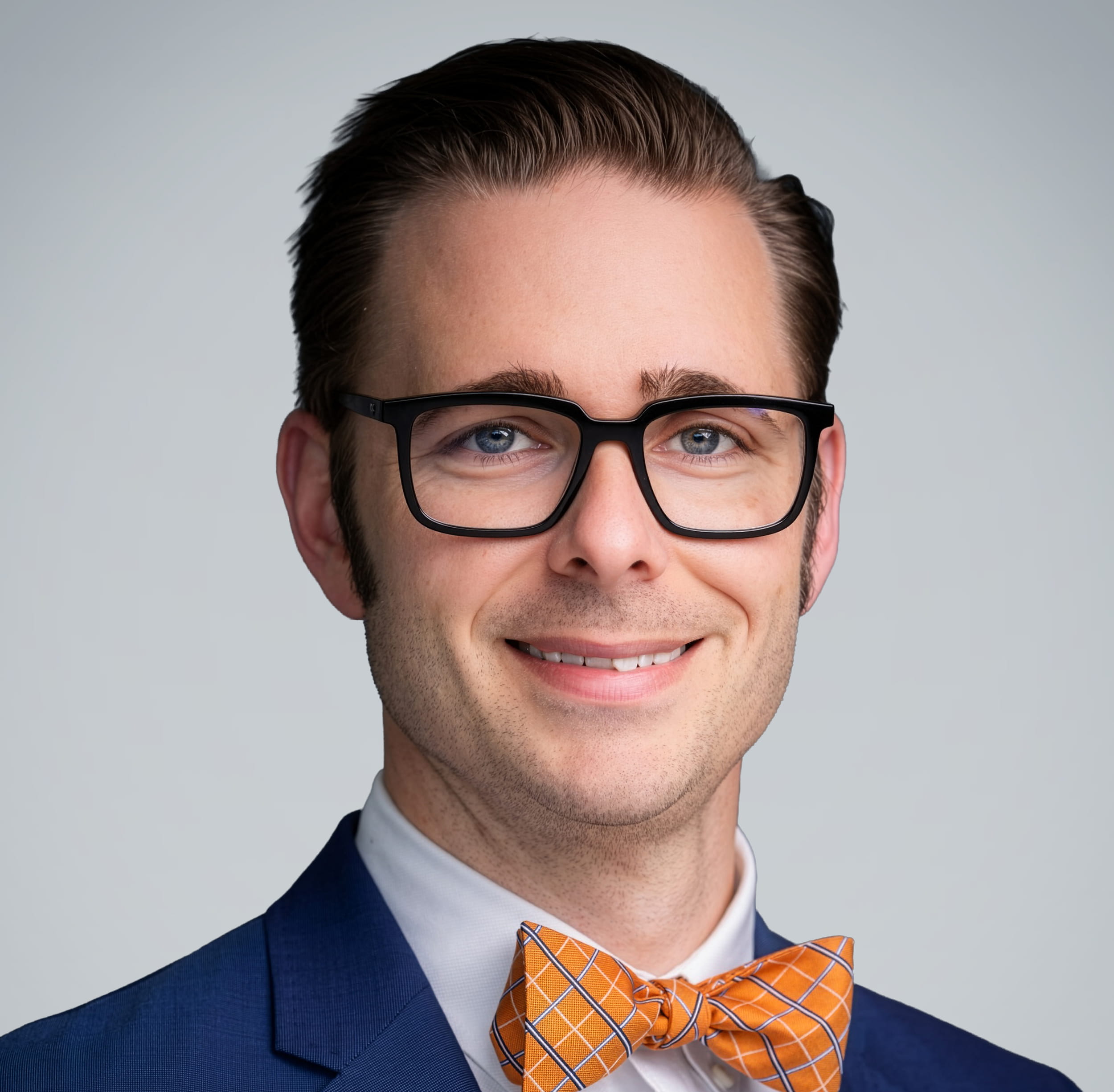
Shaun D. McCullough
RTI International, Durham, NC.SESSIONS
Scientific Sessions and Informational Session
Monday, March 15, 1:15 PM to 2:30 PM
Scientific Sessions
- Defining the Chemical Universe for Understanding Chemical Safety
- How Do Chemical Exposures Affect the Tumor-Immune Microenvironment?
- Micro- and Nanoplastics in the Brain: From Exposure to Neural Function
- Transcriptomics, Beyond Concept to Utilization: Practical Considerations and Successes for Regulatory Applications
Informational Session
- Methods and Strategies to Advance the Safety and Regulatory Compliance of Consumer and Nonconsumer Products Sold in the United States Using Hazard-Based or Risk-Based Approaches
SESSIONS
Scientific Sessions, Informational Sessions, and Engagement Sessions
Monday, March 15, 2:45 PM to 4:00 PM
Scientific Sessions
- Advancing Medical Device Safety with Human-Relevant New Approach Methodologies
- Integrating Exposomics into Neurotoxicity Studies to Better Understand Mixtures and Cumulative Risk
Informational Sessions
- Occupational Exposure Limits: Translating Hazard Assessment Data on Reproductive and Developmental Toxicity to the Workplace
- Signals, Soundbites, and Science: Expanding the Landscape of Toxicology Communication
Engagement Sessions
- Challenging the Status Quo: The History, Science, and Psychology Behind NAM Validation
- When AI Contradicts Biology: How Should Toxicologists Respond?
SOT/EUROTOX DEBATE
Artificial Intelligence in Toxicology Represents a Transformative Revolution Rather than a Cause for Caution
Monday, March 15, 4:30 PM to 5:45 PM
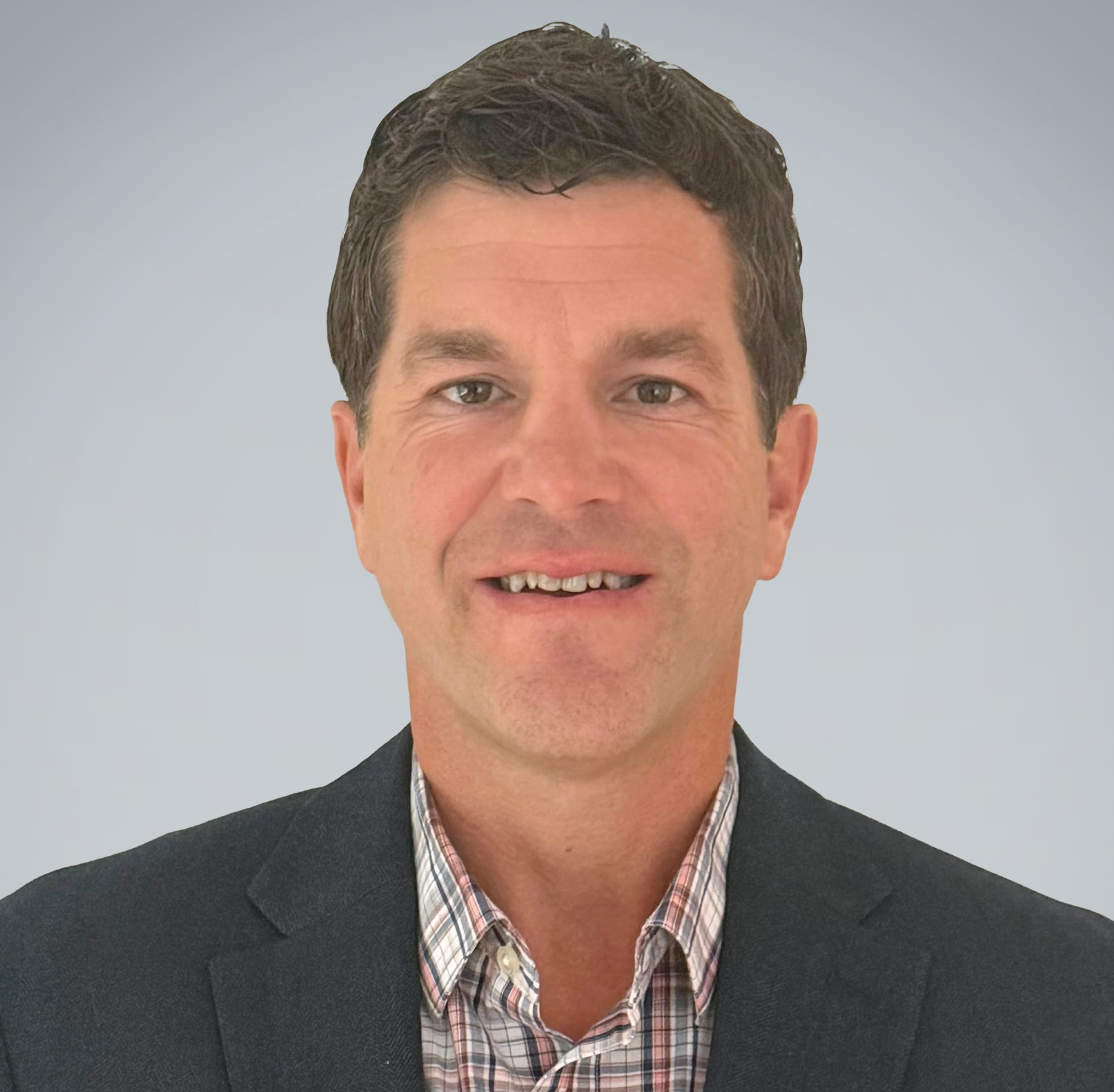
SOT Debater:
Matthew T. Martin
Pfizer Inc., Groton, CT. 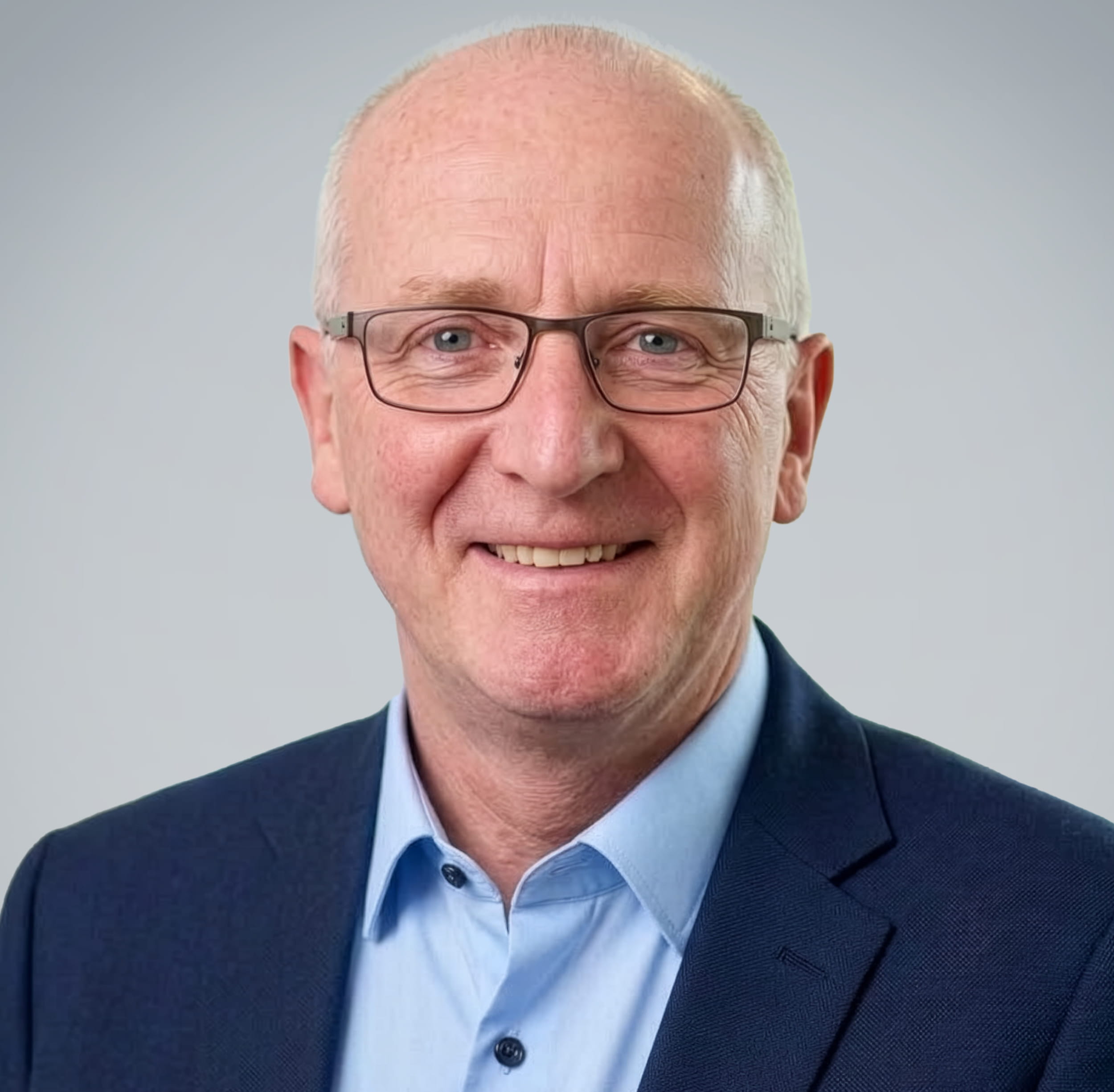
EUROTOX Debater:
Mark Cronin
Liverpool John Moores University, Liverpool, United Kingdom. SPECIAL EVENT
NetworX Night
Monday, March 15, 7:30 PM to 9:00 PM
Add-On Event; Limited Seating
This speed-networking opportunity is for trainees to meet diverse professionals in toxicology, increase networks, and explore career paths and career-change options.
SPECIAL EVENT
Career Advancement Breakfast (formerly the SOT Mentoring Breakfast)
Tuesday, March 16, 7:30 AM to 9:00 AM
Add-On Event; Limited Seating
This event is designed for SOT members from graduate students through established career toxicologists to interact with individuals from various fields to learn about SOT career resources and gain foundational tips on career advancement.
GLOBAL SESSION
Harmonizing the Future of Toxicology: A Global Roadmap for Modernizing Safety Testing Through Multi-sector Collaboration
Tuesday, March 16, 8:00 AM to 9:15 AM

Panelists:
Megan R. LaFollette
The North American 3Rs Collaborative, Hot Springs, NC. 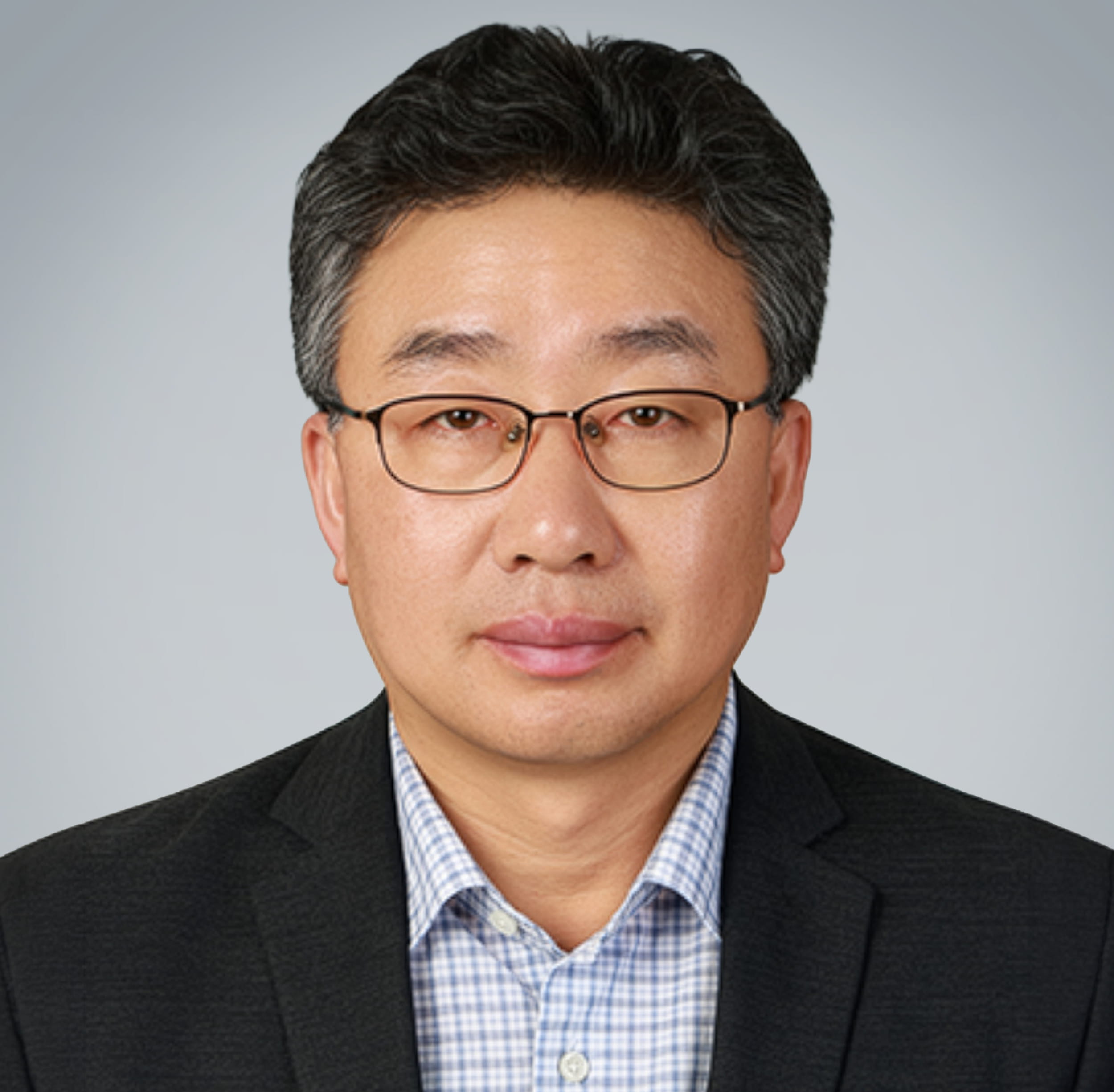
Kyung-Min Lim
Ewha Womans University, Seoul, Republic of Korea.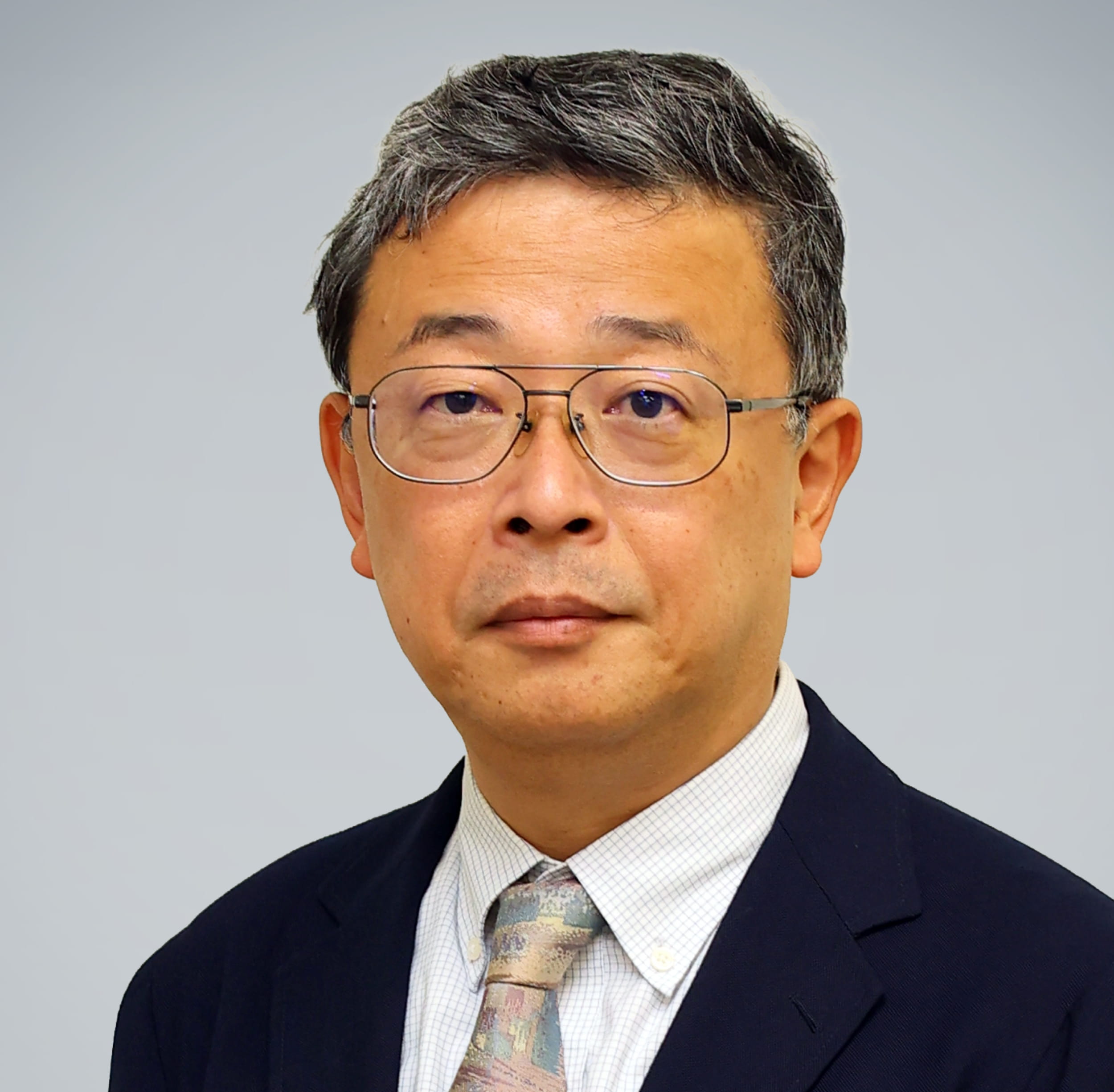
Seiichi Ishida
Sojo University/National Institute of Health Sciences, Tokyo, Japan.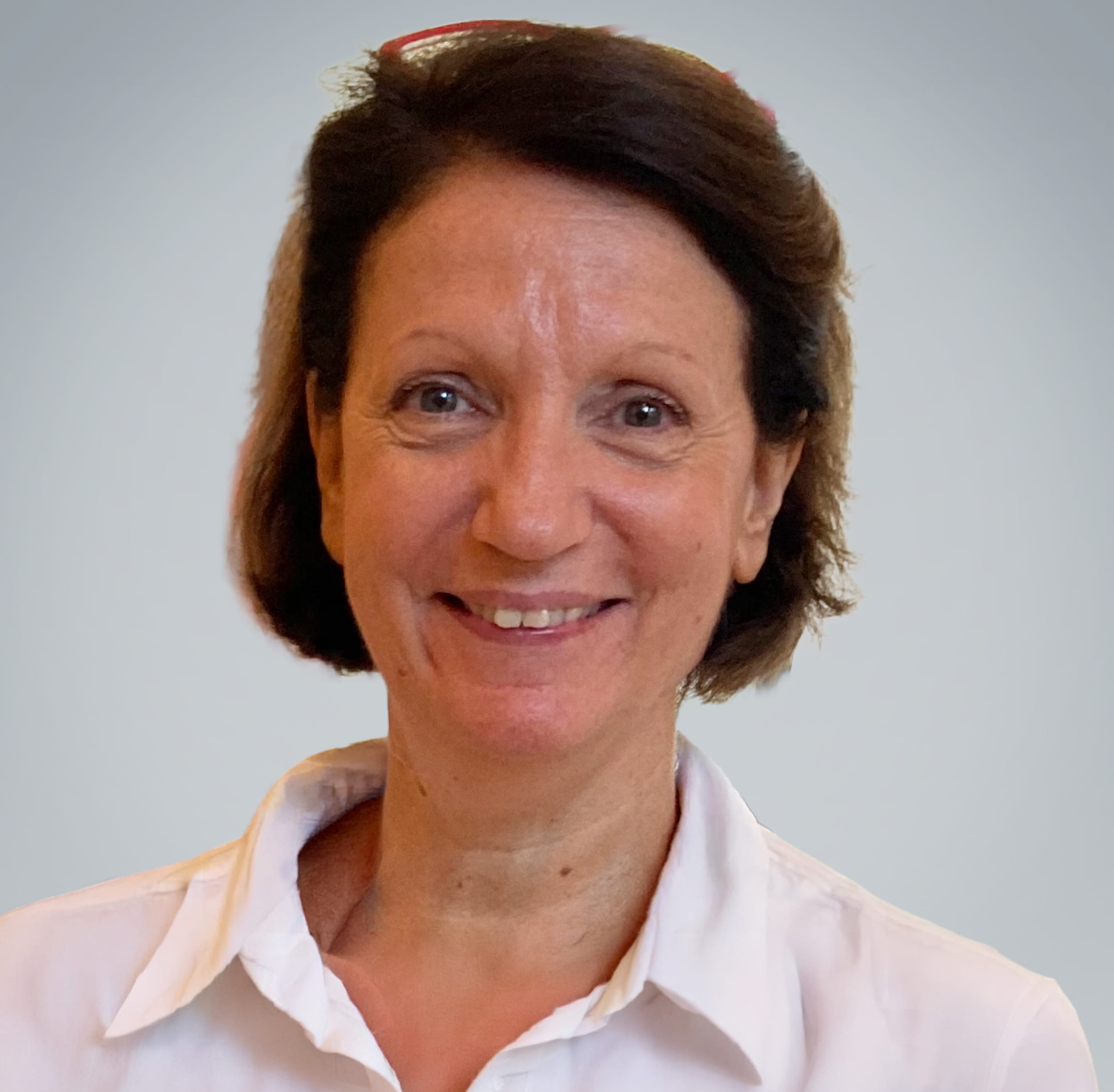
Emanuela Corsini
Università degli Studi di Milano, Milan, Italy.SESSIONS
Scientific Sessions and Informational Sessions
Tuesday, March 16, 8:00 AM to 9:15 AM
Scientific Sessions
- Bridging Internal and External Exposure: Leveraging Human Biomonitoring Data Through Physiologically Based Kinetic Modeling Toward Next-Generation Risk Assessment IAT
- Food Safety in the Real World: Why Cumulative Risk Matters
- From Animals to Alternatives: Integrating and Validating MPS for Chemical and Biological Defense
- Immunogenicity Crystal Ball: Integrating In Silico and Experimental Strategies for Predictive Immunogenicity Risk Assessment
Informational Sessions
- Navigating PFAS in Medical Device Safety: A Cross-Disciplinary Scientific Evaluation of Materials, Biological Safety, Product Stewardship, and Emerging Toxicological Approaches
- Sniffing Out the Danger: Safety Assessments for Companion Animals
SPECIAL EVENT
Global Gallery of Toxicology
Tuesday, March 16, 9:00 AM to 4:30 PM
The Global Gallery of Toxicology allows participating organizations to display posters showcasing their upcoming meetings, key accomplishments, strategic initiatives, journals, awards, and more.
SPECIAL EVENT
SOT Component Group Posters
Tuesday, March 16, 9:00 AM to 4:30 PM
Dedicated poster space showcases the activities of the SOT Regional Chapters, Special Interest Groups, and Specialty Sections (SOT Component Groups).
SPECIAL EVENT
ToxExpo Exhibits
Tuesday, March 16, 9:00 AM to 4:30 PM
Visit the 275+ exhibitors for product, service, and career insights.
SPECIAL EVENT
Tiny Tox Talks
Tuesday, March 16, 9:20 AM to 3:40 PM
These are 20-minute presentations on a variety of topics, ranging from AI practices to toxicology careers. The complete schedule of Tiny Tox Talks is available in the SOT Online Planner.
AMERICAN ACADEMY OF CLINICAL TOXICOLOGY SESSION
Bites and Blisters: Toxicology of Snake Venoms and Vesicants
Tuesday, March 16, 9:30 AM to 10:45 AM
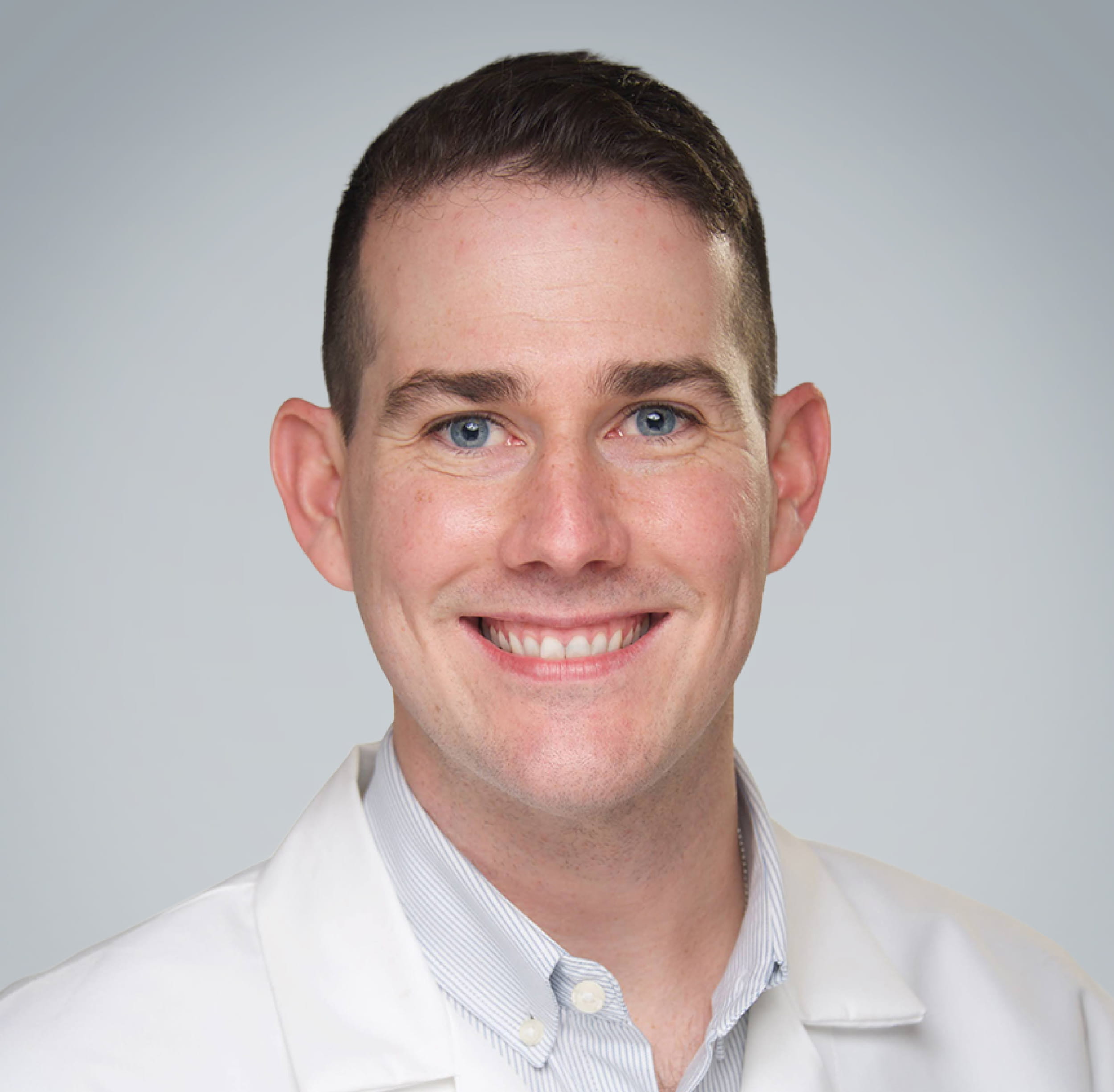
Panelists:
Bryan Wilson
University of Texas Medical Branch at Galveston, Galveston, TX. 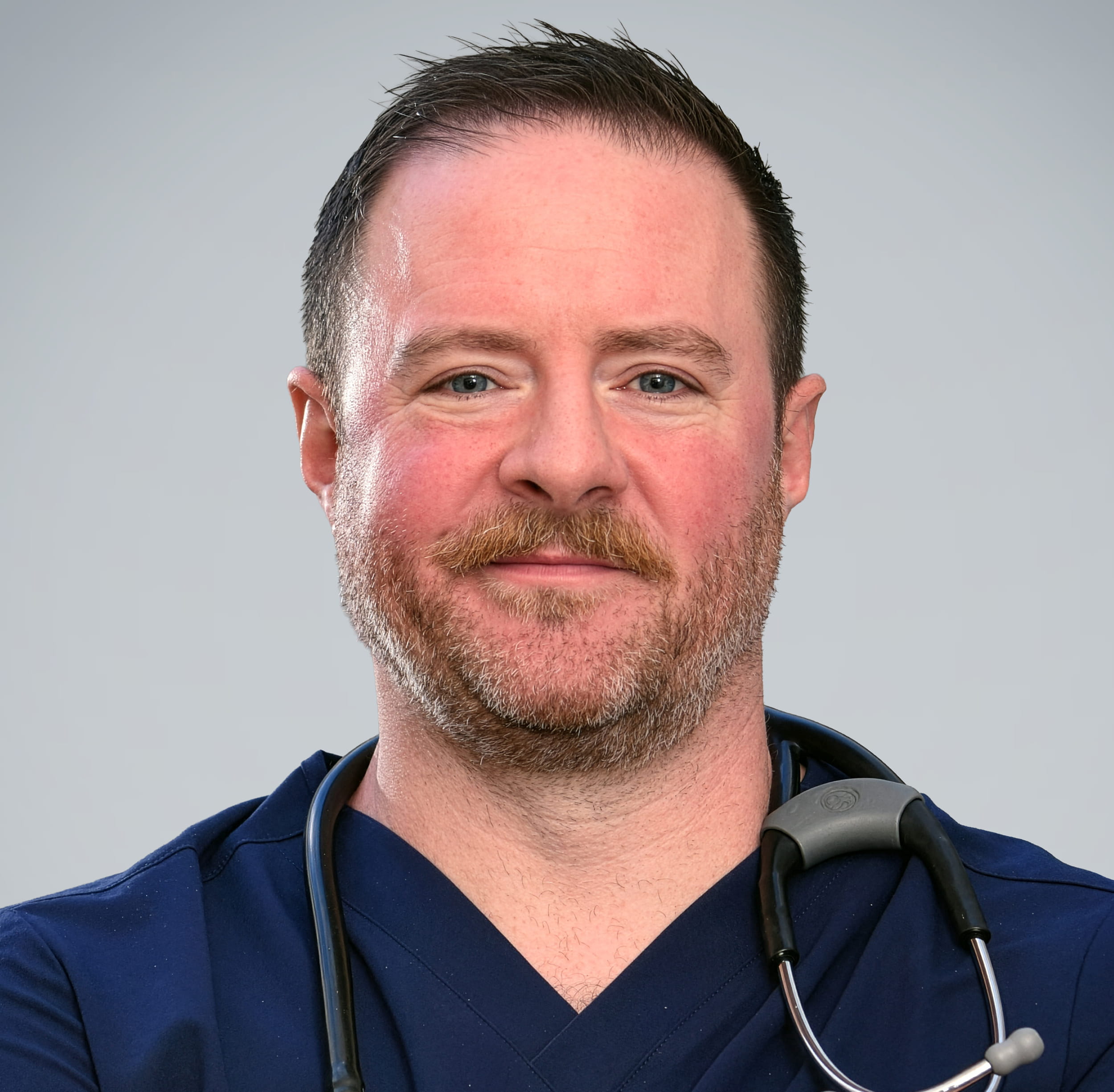
Stephen “Alex” Harding
Baylor College of Medicine, Houston, TX.SESSIONS
Scientific Sessions and Informational Session
Tuesday, March 16, 9:30 AM to 10:45 AM
Scientific Sessions
- Advancing Developmental Immunotoxicity Testing: Defining Mechanistic Benchmarks and Human-Relevant Frameworks for Risk Assessment
- Advancing Next-Generation Risk Assessment Through Bayesian Uncertainty Characterization
- Effects of Parental Exposure to Environmental Chemicals on the Development and Health of the Offspring
- Make New NAMs, Keep the Old: Advancing Physiological Relevance of Existing and Next-Generation NAMs Through Integrated Metabolism
- The Rewritable Liver: Environmental Exposures and the Erosion of Sexual Dimorphism
Informational Session
- Fixing the Implementation Gap: Best Practices for Validating a Test Method to Inform Regulatory Decision-Making
FEATURED SESSION
Merit Award Lecture
Tuesday, March 16, 11:00 AM to 12:00 Noon
Lecturer and topic to be announced in January 2027.
SESSIONS
Scientific Sessions
Tuesday, March 16, 11:00 AM to 12:15 PM
Scientific Sessions
- Integrating New Data Streams into the Developmental Neurotoxicity In Vitro Battery
- Particles, Exposure, and Nephrotoxicity: Emerging Insights into Inhalation-Induced Kidney Damage
- Quantifying AOPs for Predictive Dev Tox: DARTable Genome and PBPK-Driven NAMs for Regulatory De-risking
POSTDOC EVENT
Postdoctoral Assembly Luncheon
Tuesday, March 16, 12:00 Noon to 1:15 PM
Add-On Event; Postdoctoral Scholars Only
This luncheon is a casual event that encourages engagement and networking among postdoctoral scholars.
STUDENT EVENT
Undergrad Gab with a Grad over Grub
Tuesday, March 16, 12:30 PM to 1:45 PM
All undergraduates are encouraged to attend to learn about SOT programs and network with peers and graduate students; lunch is provided.
SESSIONS
Scientific Sessions
Tuesday, March 16, 1:00 PM to 2:15 PM
Scientific Sessions
- Cancer Risk: It’s Not a Straight Line
- Environmental Metal Mixtures and Early Life Kidney Health: A NAMs-to-TAMs Framework for Informing Human Health Risk
- Kratom Craze: Science, Safety, and Regulation in the Age of Novel Products
- Revealing the Nanoplastics Dilemma: Biodistribution, Biological Effects, and Toxicological Implications for the Nervous System
- The Use of NAMs in Food Safety: State of Practice and Opportunities for New Science
- Two Species or Not Two Species? New Data to Re-evaluate Toxicology Testing Strategies Across the Sectors
STUDENT AND POSTDOC EVENT
Career Exploration Through Speed Informational Interviews
Tuesday, March 16, 1:45 PM to 3:00 PM
Complimentary Add-On Event; Students and Postdoctoral Scholars Only
Groups of trainees will rotate through a series of short discussions with career representatives from academia, government, and industry.
SESSIONS
Scientific Sessions, Informational Session, and Engagement Sessions
Tuesday, March 16, 3:00 PM to 4:15 PM
Scientific Sessions
- Data-Driven Computational Approaches to Complex Chemical Mixtures
- From Exposure to Outcome: Mechanistic Pathways in Autoimmune Diseases
- Raising the Bar: Modern Intake Assessments and the New Regulatory Landscape for Food Ingredient Safety
Informational Session
- Next-Generation Read-Across: Improved Understanding of Relevant Uncertainties
Engagement Sessions
- Guardians of Public Health Volume 2: Emergency Response Case Studies
- Rethinking DART Testing: Advancing Dev Tox NAMs Through Stakeholder Dialogue
SESSIONS
Scientific Sessions and Informational Sessions
Wednesday, March 17, 8:00 AM to 9:15 AM
Scientific Sessions
- Common Sources of Error in Forensic Toxicology: Lessons from Casework and Laboratory Practice IAT
- Comparative Approaches to Safety Evaluation of Cosmetics: Toxicological Paradigms, Risk Assessment Frameworks, and Regulatory Decision-Making
- Quantitative In Vitro to In Vivo Extrapolation for Consideration in Chemical Safety Decisions: Bridging Platforms, Endpoints, and Regulatory Needs
Informational Sessions
- From Thresholds to Frameworks: The Evolution of TTC for Modern Safety Assessment
- Large-Scale Lithium-Ion Battery Fire Events: Chemical, Elemental, and Exposure Hazards
- Multiple Strategies to Leverage Existing Work to Understand Toxicant Contributors to Autism: Lessons from the Autism Data Science Initiative
SPECIAL EVENT
Global Gallery of Toxicology
Wednesday, March 17, 9:00 AM to 4:30 PM
The Global Gallery of Toxicology allows participating organizations to display posters showcasing their upcoming meetings, key accomplishments, strategic initiatives, journals, awards, and more.
SPECIAL EVENT
SOT Component Group Posters
Wednesday, March 17, 9:00 AM to 4:30 PM
Dedicated poster space showcases the activities of the SOT Regional Chapters, Special Interest Groups, and Specialty Sections (SOT Component Groups).
SPECIAL EVENT
ToxExpo Exhibits
Wednesday, March 17, 9:00 AM to 4:30 PM
Visit the 275+ exhibitors for product, service, and career insights.
SPECIAL EVENT
Tiny Tox Talks
Wednesday, March 17, 9:20 AM to 3:40 PM
These are 20-minute presentations on a variety of topics, ranging from AI practices to toxicology careers. The complete schedule of Tiny Tox Talks is available in the SOT Online Planner.
FEATURED SESSION
Breakthroughs in Basic and Translational Toxicology
Wednesday, March 17, 9:30 AM to 10:45 AM
Lecturers and topics to be announced in January 2027.
SESSIONS
Scientific Sessions and Informational Session
Wednesday, March 17, 9:30 AM to 10:45 AM
Scientific Sessions
- Environmental Toxicology in the Era of Big Data: Using the CHAMACOS Cohort as a Model for Exposure Science and Advancing Risk Assessment IAT
- From Innovation to Integration: Implementing NAMs for Human Risk Assessment in Drug Discovery Toxicology
- Harmonizing Weight of Evidence Assessments: The PRAGMATIC Framework for Global Chemical Safety Evaluation
- Metals on the Menu in the Exposome Era: How Dietary Metals Rewire Systemic Health
- Occupational Exposure to 3D Printing Emissions and Potential Health Impacts
Informational Session
- Sustainable Chemistry Across Sectors: How Toxicology Informs Decisions in Electronics, Consumer Products, and Municipal Government
SESSIONS
Scientific Sessions and Informational Session
Wednesday, March 17, 11:00 AM to 12:15 PM
Scientific Sessions
- Common Pathways, Divergent Outcomes: Decoding Complexity in Chemical Carcinogenesis
- Cross-Species Prediction of Chemical Effects Across Evolutionary and Biological Scales
- How (Un-)Certain Is (Un-)Safe? Quantifying Uncertainty in the Era of NAMs and NGRA
- Integrating Intestinal Biology into NAMs Across Sectors
- QIVIVE: A NAMs-Powered Framework for Exposure and Risk Assessment
- Silica, Asbestos, Metals, and Dust: Mechanisms of Lung Injury, Impaired Repair, and Disease
Informational Session
- When Other Species Bail on You, Minipig to the Rescue: An Evidence-Based Alternative for DART and Juvenile Toxicology Programs
SESSIONS
Scientific Sessions, Informational Session and Education-Career Advancement Session
Wednesday, March 17, 1:00 PM to 2:15 PM
Scientific Sessions
- Antibody-Drug Conjugate–Associated Ocular Toxicity: Mechanistic and Clinical Insights That Guide Toxicological Assessments
- Clearing the Canopy: Advancing Predictive Confidence in Respiratory In Vitro NAMs Through Model Characterization
- Exposome-Informed Approaches for Advancing Mechanistic Toxicology and Risk Assessment
- Not So Black and White: Multimodal Insights into White Matter Toxicity Across the Lifespan
- Rapid Toxicity Reference Values for Applied Regulatory Needs IAT
Informational Session
- Clearing the Air: Challenges and Strategies for Analyzing Breathing Gas Pathway Devices
Education-Career Advancement Session
- The Many Paths to a Career in Computational Toxicology
SESSIONS
Scientific Sessions and Engagement Sessions
Wednesday, March 17, 2:45 PM to 4:00 PM
Scientific Sessions
- Complementary In Vitro and In Vivo Approaches to Address Emerging Inhaled Pollutants: E-cigarette Aerosols, Microplastics, and Air Pollution
- Environmental Health Knowledgebases and Data Repositories ITS
- Molecular Biomarkers for Early Assessment of Cancer Risk
- Oxidative Stress as a Translational Key Event in Pesticide Toxicity: From Adverse Outcome Pathways to One Health Risk Assessment
- Toxicology and Advanced Nanoscience in Lipid Nanoparticle mRNA-Based Therapies
Engagement Sessions
- Resilience and Reinvention: Navigating Career Transitions in Toxicology
- What’s on Your Plate? Unintentional Food Contaminants and Nutritional Strategies for Health
SPECIAL EVENT
President’s Reception
Wednesday, March 17, 7:00 PM to 8:30 PM
By Invitation Only
SATELLITE MEETING
2027 Experimental Biology and Medicine Conference (EBMC) “Obesity, Metabolism and Inflammaging: Next Generation Approaches Across the Lifespan”
Thursday, March 18
Obesity, metabolic dysfunction, and chronic inflammation are interconnected processes that influence health, disease progression, and aging. This day-long scientific program, hosted by the Society for Experimental Biology and Medicine (SEBM), will explore emerging research on adipose tissue dysfunction, metabolic regulation, and the complex interactions among obesity, diet, immune responses, and environmental exposures. Presentations will highlight novel molecular mechanisms, innovative approaches to improving metabolic health, and the role of inflammation in age-related disease.
The following individuals will deliver featured presentations during EBMC:
- Nikhil Dhurandhar, PhD, FTOS, DFASN, Texas Tech University
- Kymberly Gowdy, PhD, Ohio State University
- Philipp E. Scherer, PhD, University of Texas Southwestern Medical Center
- Yuxiang Sun, MD, PhD, Texas A&M University
In addition, EBMC will feature a special opportunity to be selected for 20-minute presentation of your work, a luncheon, a poster session, flash talks, travel awards, and an awards reception—all for a nominal fee. Plus, SOT room block pricing still applies!
Featured Speakers
Speakers will be added as they are confirmed.
Emanuela Corsini
Università degli Studi di Milano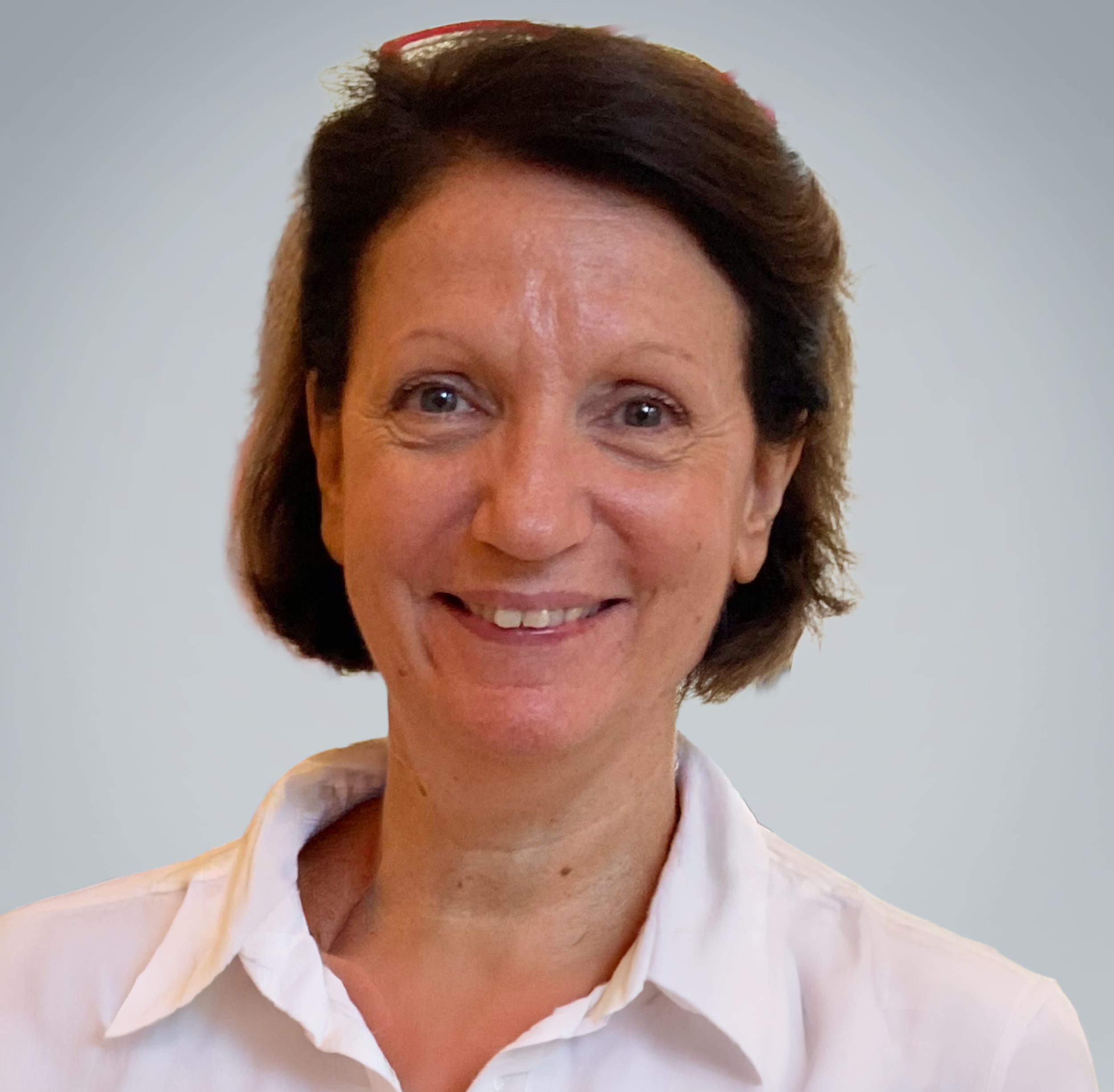
Mark Cronin
Liverpool John Moores University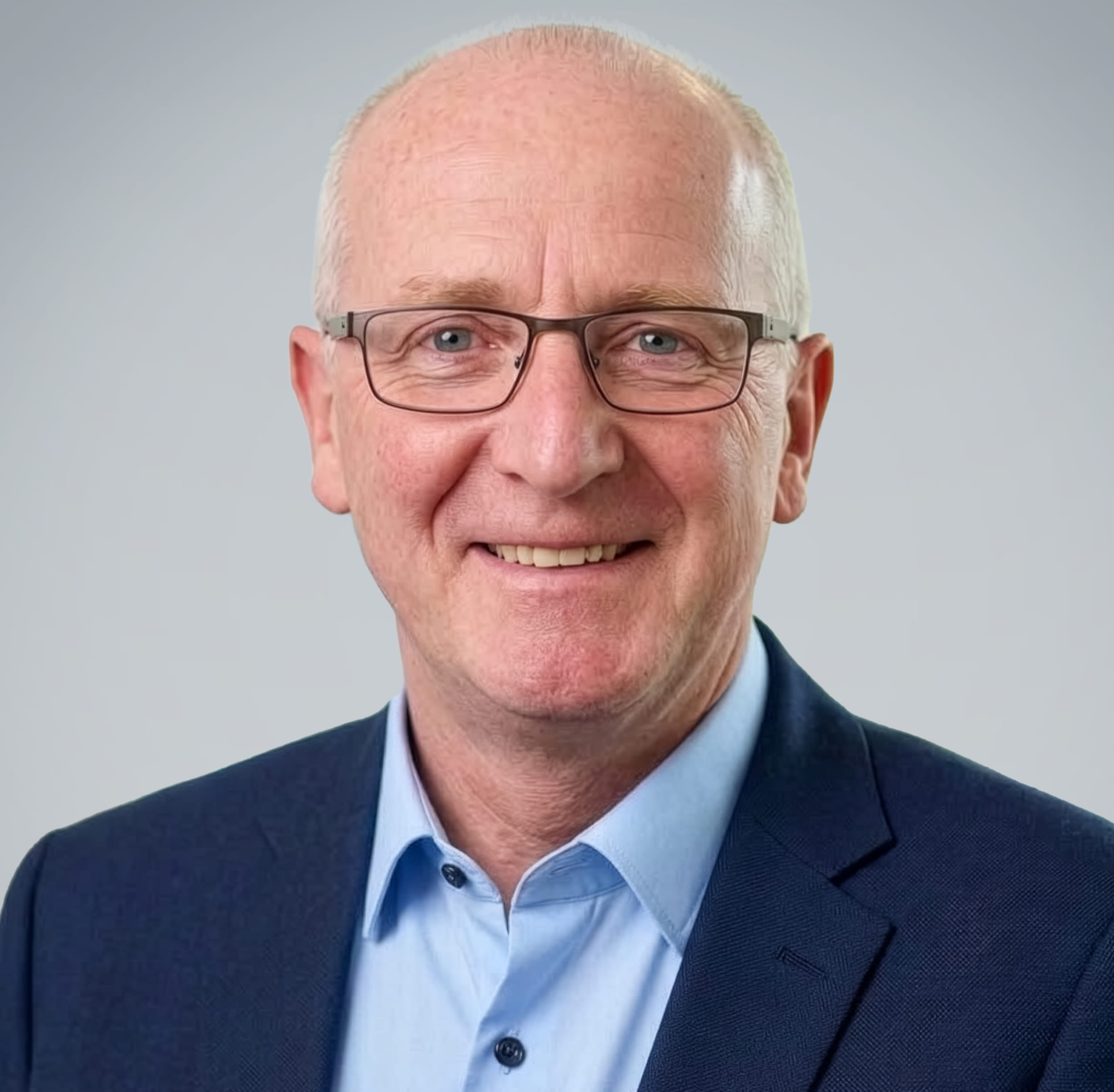
Stephen Alex Harding
Baylor College of Medicine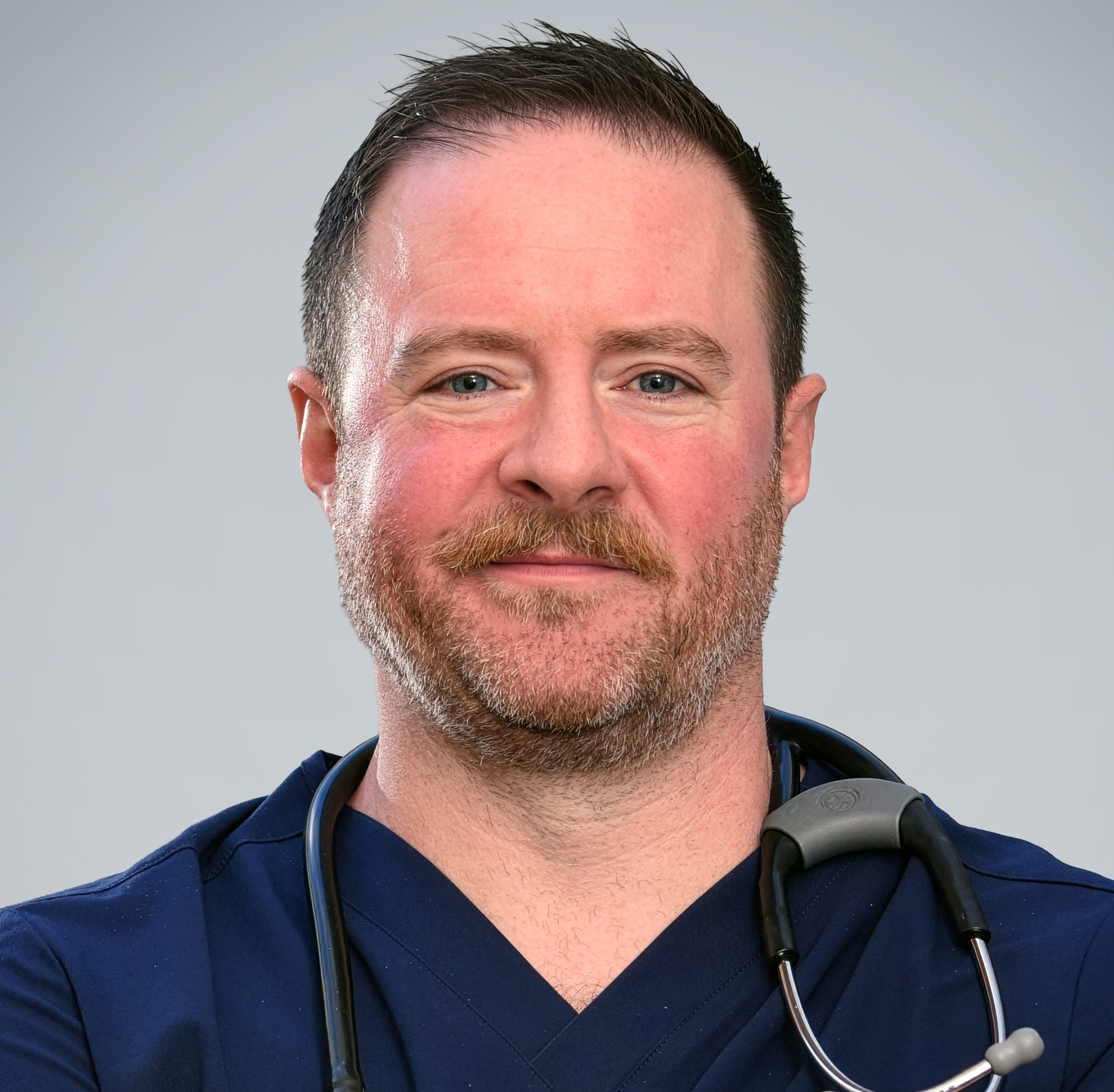
Seiichi Ishida
Sojo University/National Institute of Health Sciences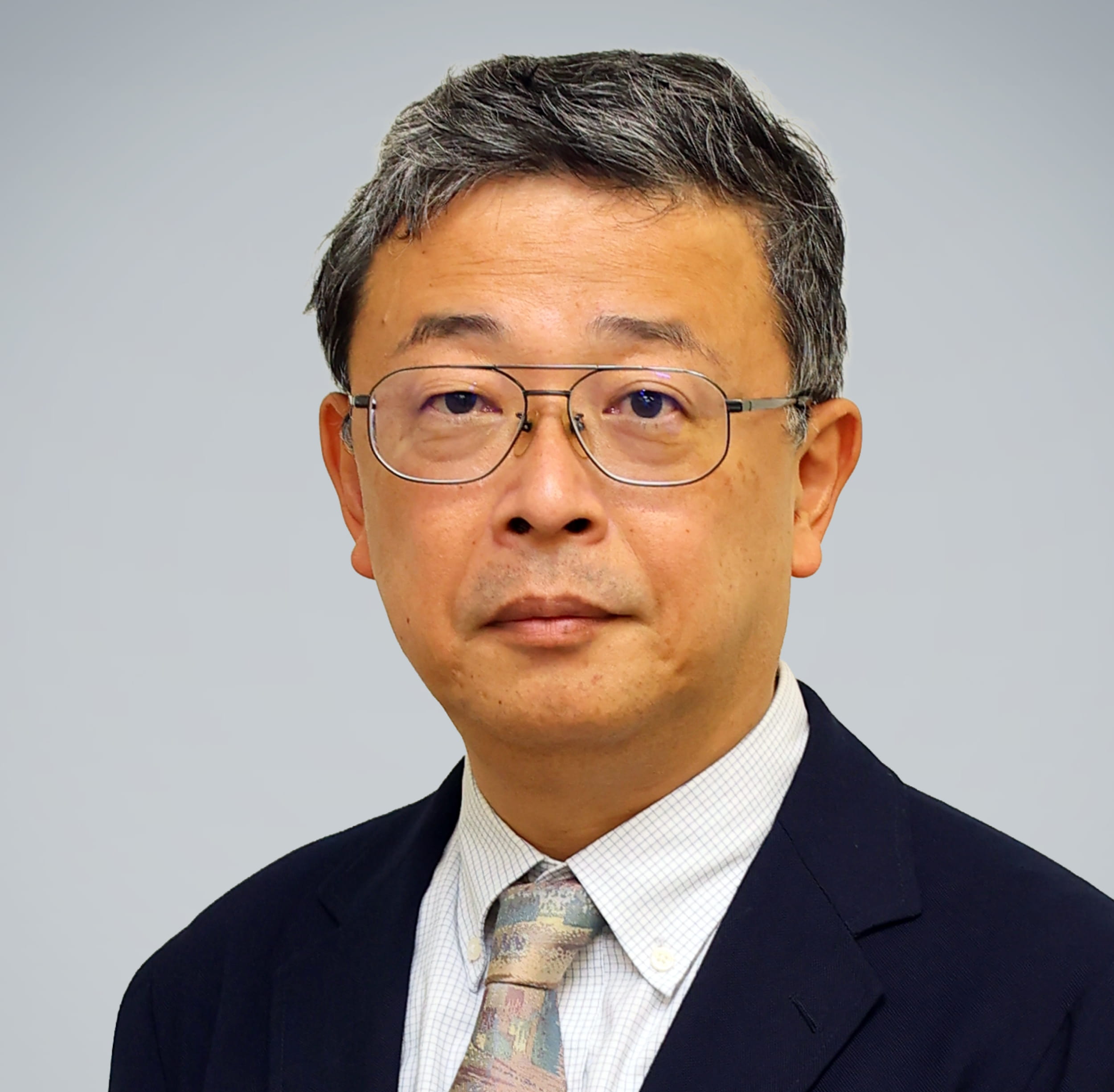
Megan R. LaFollette
The North American 3Rs Collaborative
Kyung-Min Lim
Ewha Womans University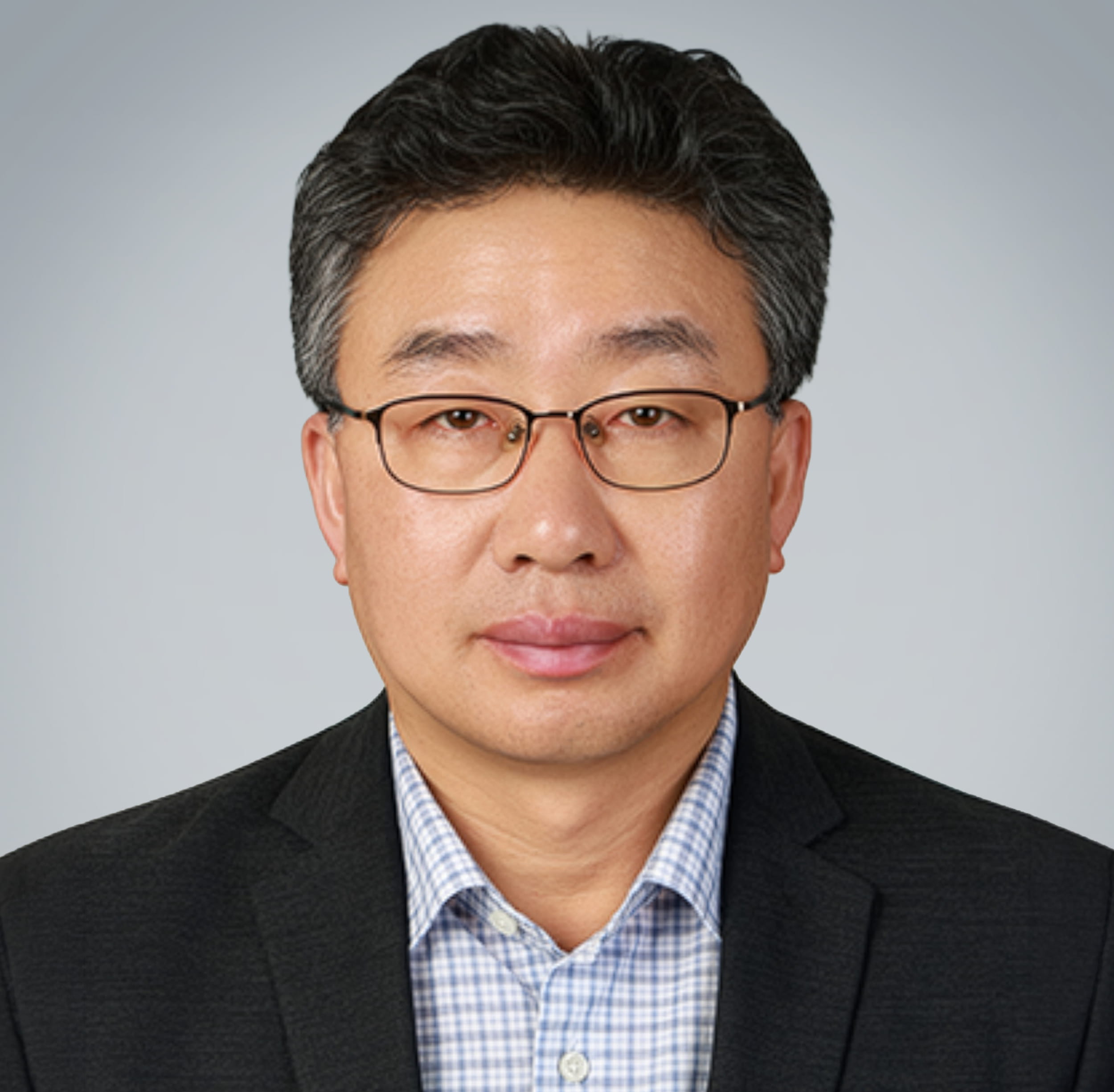
Matthew T. Martin
Pfizer Inc.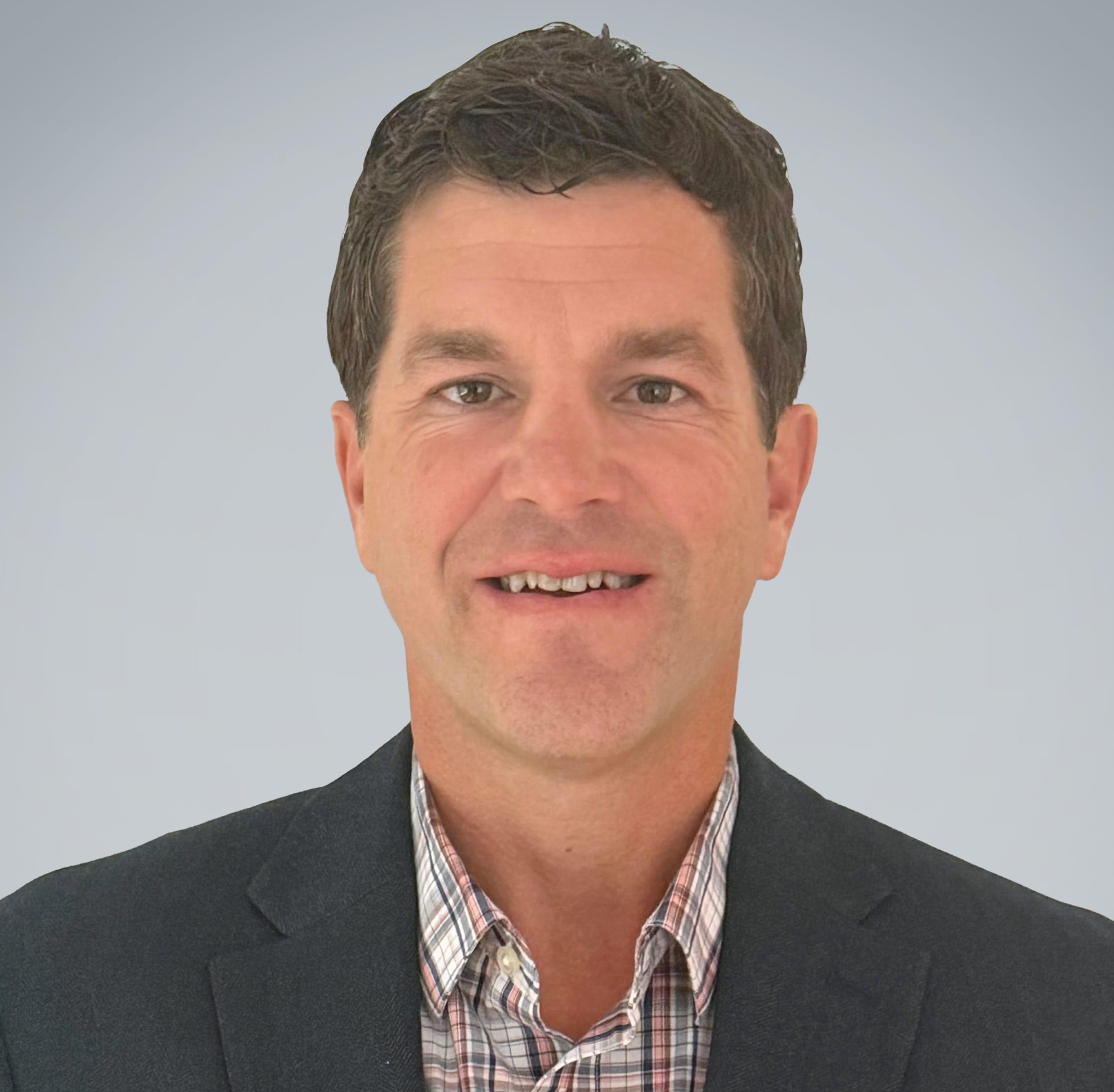
Shaun D. McCullough
RTI International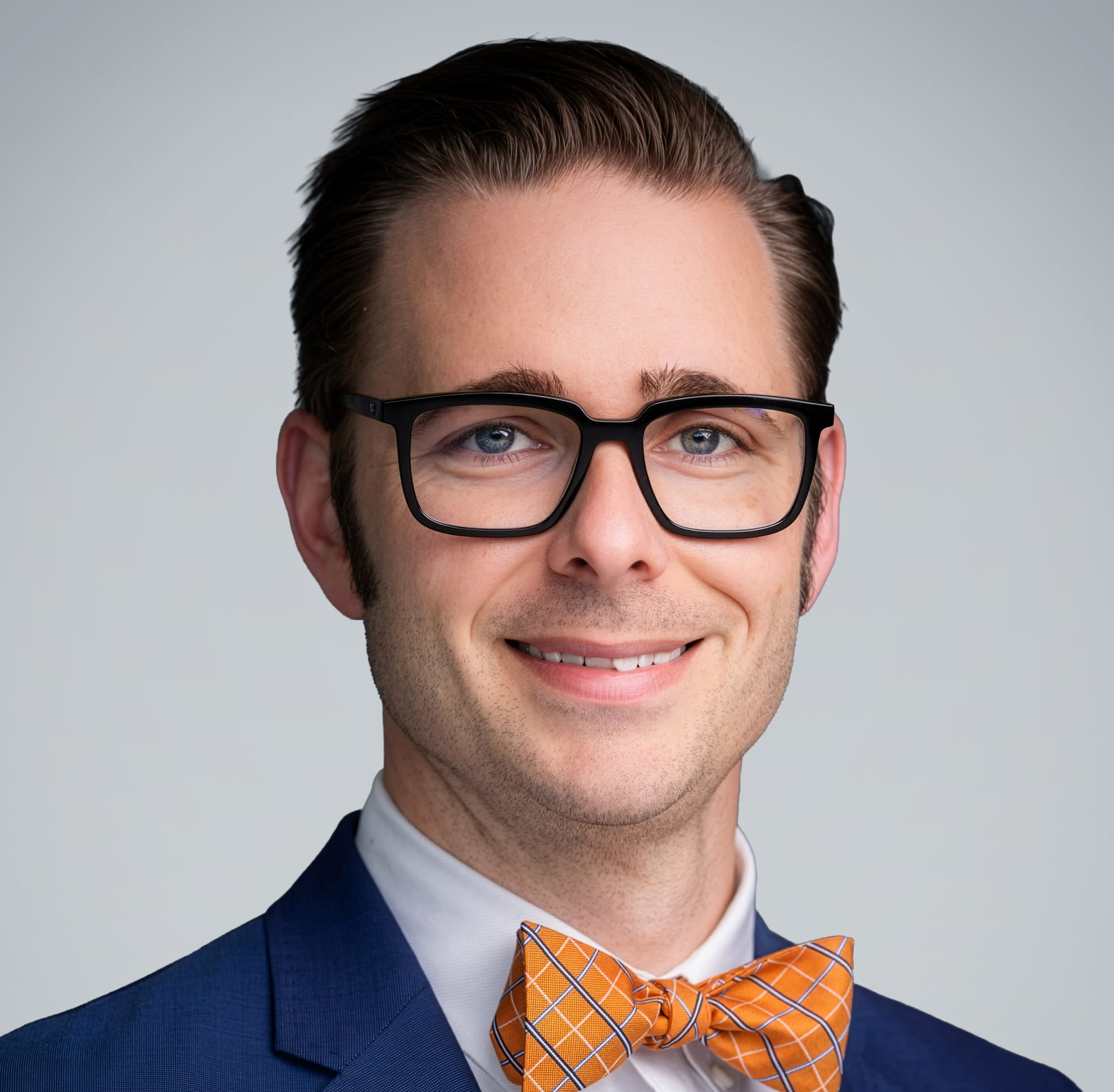
Scott W. Tinker
University of Texas/Bureau of Economic Geology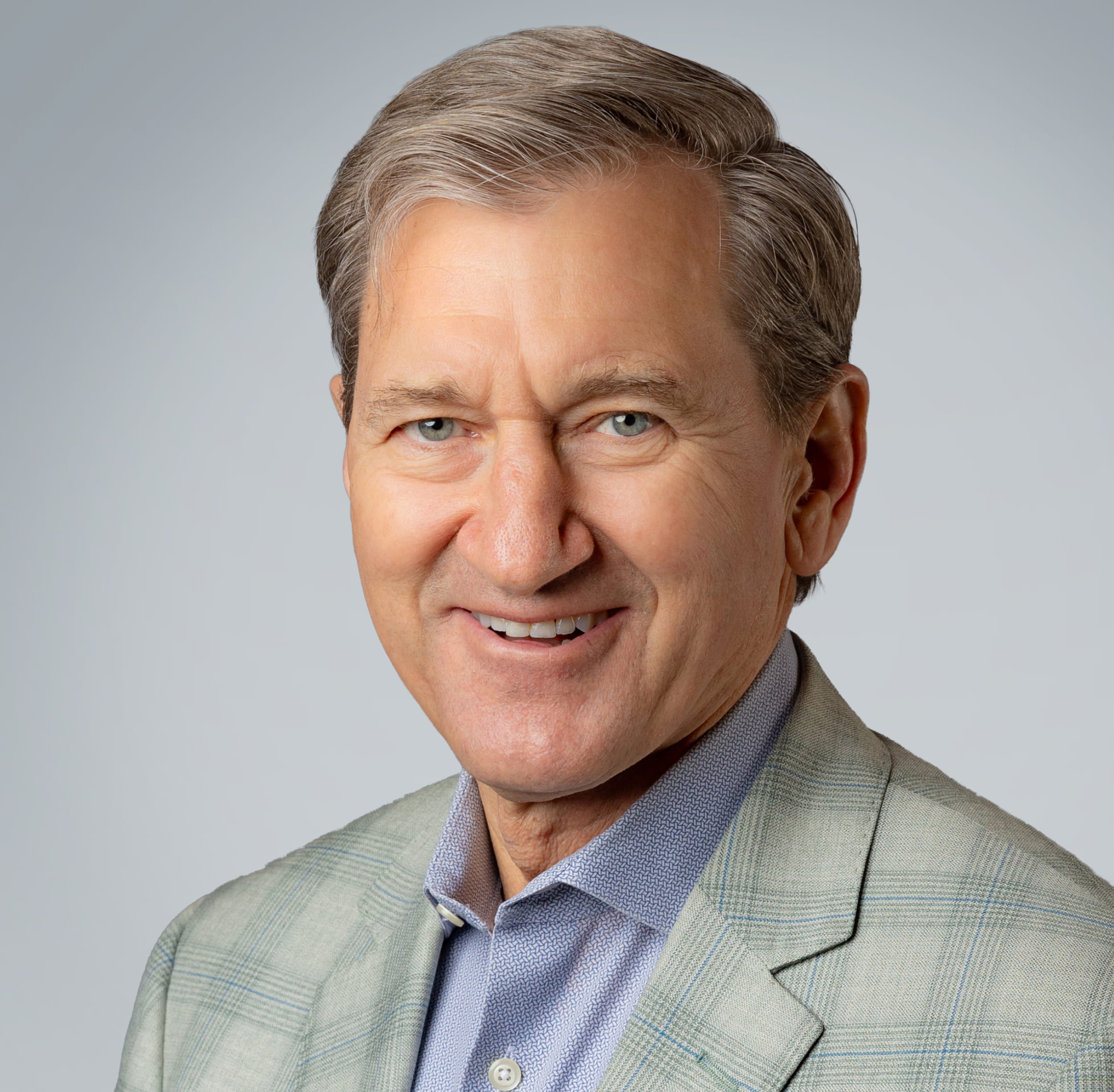
Bryan Wilson
University of Texas Medical Branch at Galveston